

Private Equity Websites: Choosing the Right Structure for Strategy and Audience

What Is a Private Equity Website?
A private equity website is a digital infrastructure designed to communicate a firm’s strategy, credibility, and value proposition to investors, deal sources, and portfolio companies. It is not a static brochure—it is a strategic tool for capital raising, deal sourcing, and trust-building. The site’s structure, whether single-scroll or deep multi-page, should follow the firm’s strategic priorities and the behavior patterns of its key audiences. Selecting the wrong structure risks sending a misleading signal about the firm’s scale, maturity, or focus.
How Does Website Structure Affect Perception?
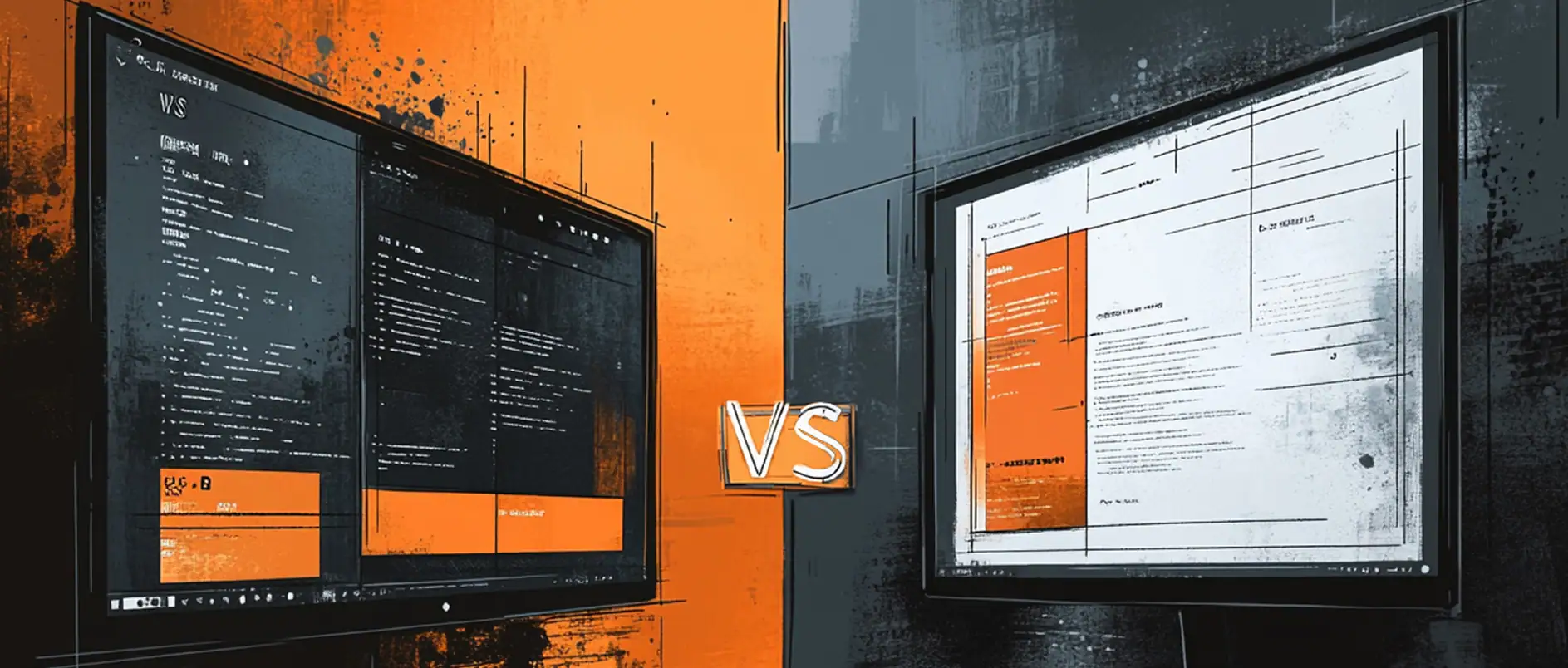
Website structure shapes how stakeholders perceive the firm before any conversation begins. A single-scroll site is linear and simple, guiding visitors through a concise story without multiple navigation layers. This works well when the narrative is focused and the audience benefits from speed. In contrast, a deep site supports more complex content, allowing multiple user groups to navigate according to their needs. Choosing between these formats is not a matter of aesthetics—it is about aligning the form with the firm’s operational reality and target audience expectations.
When Does a Single-Scroll Site Work Best?
A single-scroll site consolidates firm overview, investment strategy, team bios, portfolio highlights, and contact details into one vertically scrolling page. It works best for emerging managers who need a professional but streamlined entry point, story-first platforms with highly focused theses, and firms in early growth phases building toward a more expansive presence. This approach offers clarity, control, and a fast user experience. It also enables future scalability, since brand language, design, and development work can carry over into a deeper structure when the firm matures.
When Does a Deep Site Outperform a Single-Scroll?
A deep site is the right choice for firms with multiple strategies, larger teams, or diverse audiences. Founders, bankers, and limited partners visit for different reasons, and a multi-page architecture lets each group navigate directly to what matters to them. It supports expanded portfolio details, thought leadership, media features, and recruitment pages—essential for firms building broad brand equity. Attempting to fit such complexity into a single-scroll format creates friction and undermines credibility.
How Do Different Audiences Use Private Equity Websites?
Limited partners expect structured navigation similar to data rooms and manager profiles, making deep sites more intuitive. Bankers move quickly, seeking immediate confirmation of sector fit and investment criteria. Sellers are the most sensitive group: a founder or CEO may decide whether to engage based entirely on a first visit. For them, clarity, accessibility, and visible trust signals are essential. A mismatch between content needs and site structure risks losing their interest permanently.
Why “Structure Follows Strategy” Is the Key Principle
The right website structure depends on the firm’s scale, audience mix, and narrative complexity. A single-scroll site signals focus and control, while a deep site signals scale and institutional readiness. Neither format is inherently superior; effectiveness comes from alignment between format and operational reality. A well-chosen structure integrates seamlessly into the firm’s capital-raising and deal-sourcing workflow, ensuring that the website becomes an asset in moving deals forward.
Read More



A single-scroll private equity website is a one-page digital layout where all essential sections — firm overview, strategy, team bios, portfolio, and contact — are stacked vertically. Navigation links jump to different points on the same page. This structure works best when the firm’s story is concise and audiences benefit from a fast, uninterrupted viewing experience.
A deep site is ideal when the firm has multiple strategies, larger teams, or serves diverse stakeholders. It allows each audience — investors, bankers, sellers, and talent — to find relevant content quickly. This format also supports richer content like thought leadership, detailed case studies, and expanded portfolio sections.
Website structure sends implicit signals about a firm’s scale and sophistication. A single-scroll site conveys focus and agility, while a deep site communicates institutional readiness and operational depth. Misalignment between structure and reality can create credibility issues.
Yes. Firms often start with a single-scroll site for speed and focus, then expand into a deep site as assets under management, team size, and content needs grow. The branding, language, and much of the development work can often be carried over.
Different stakeholders use private equity websites differently. Investors may explore multiple sections in depth, bankers skim for fit, and sellers make quick engagement decisions. Aligning site structure with these behaviors increases engagement and reduces lost opportunities.