Private Equity Insights

Darien Group exists to bridge the gap between exceptional design capabilities and private equity communications. Our library of resources serves as a practical guide for firms looking to refine or redevelop their brand and ensure their story resonates with target audiences.

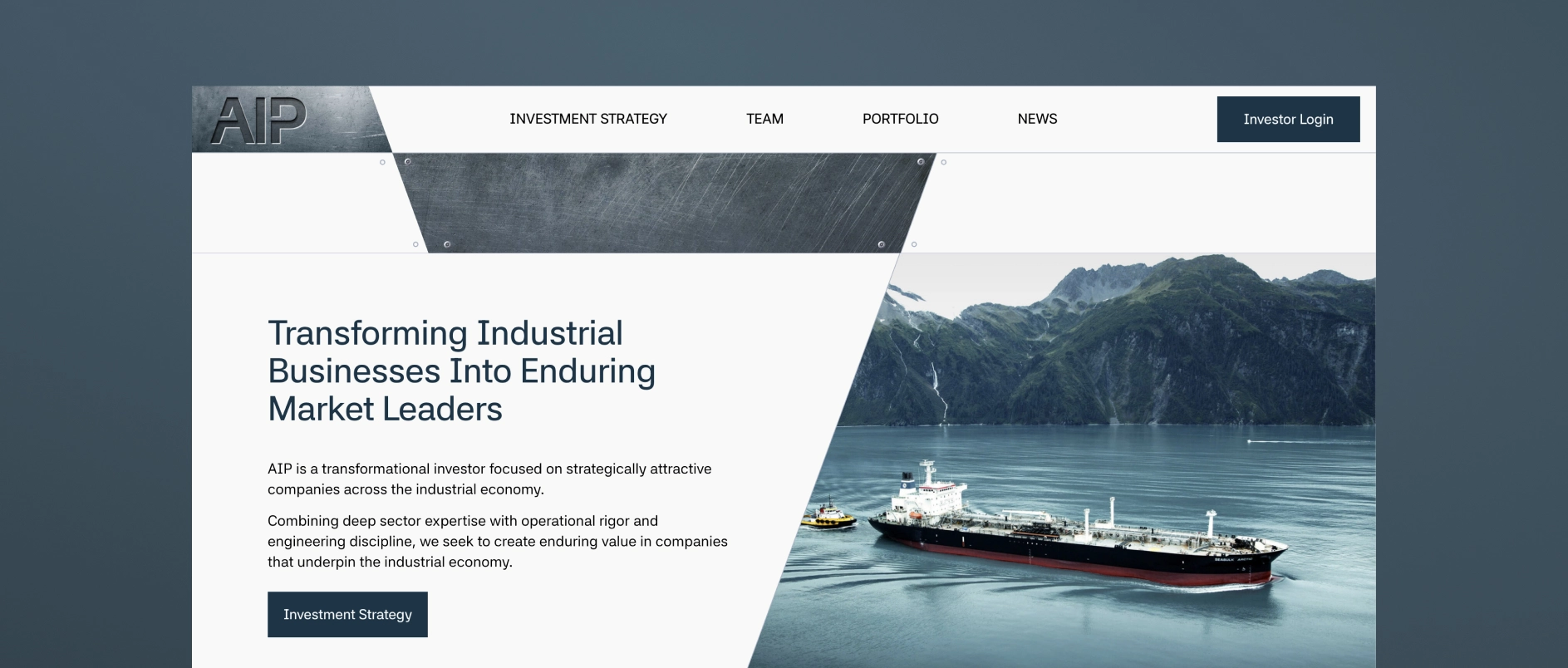
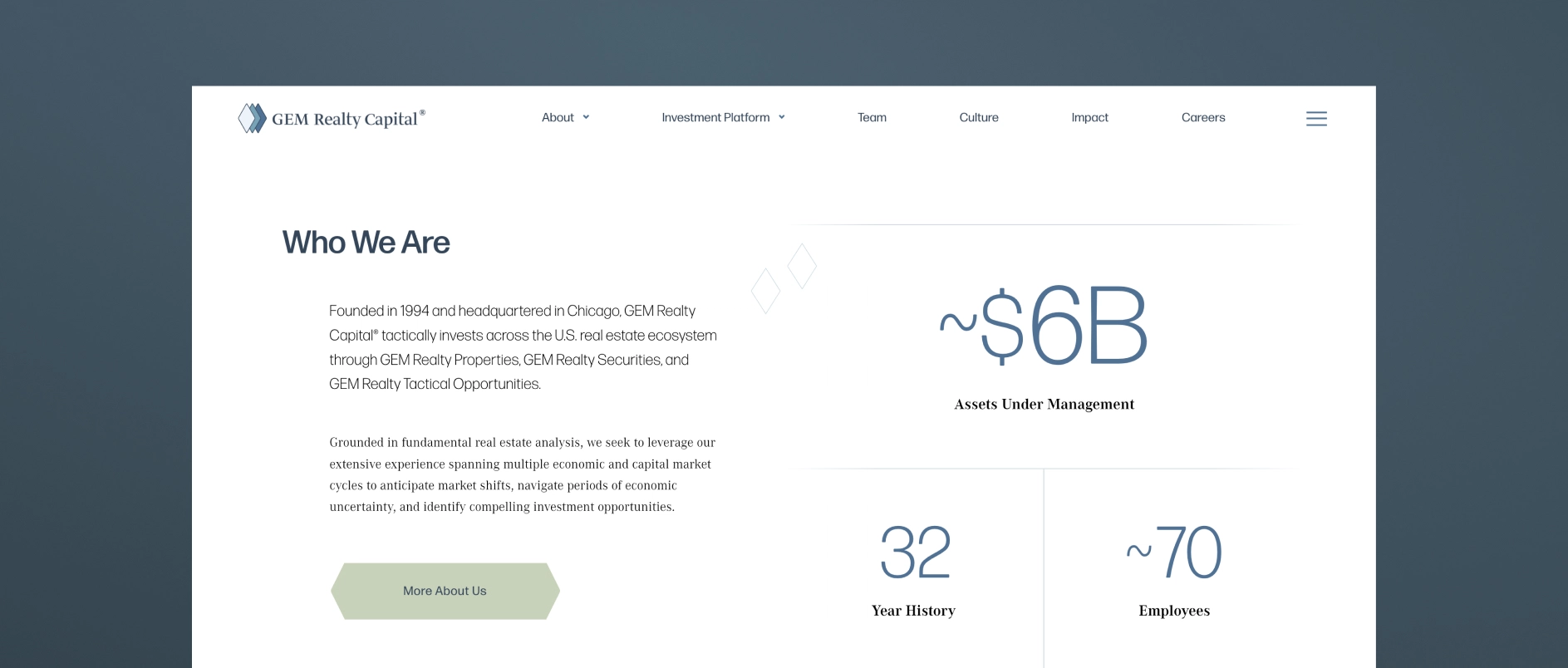
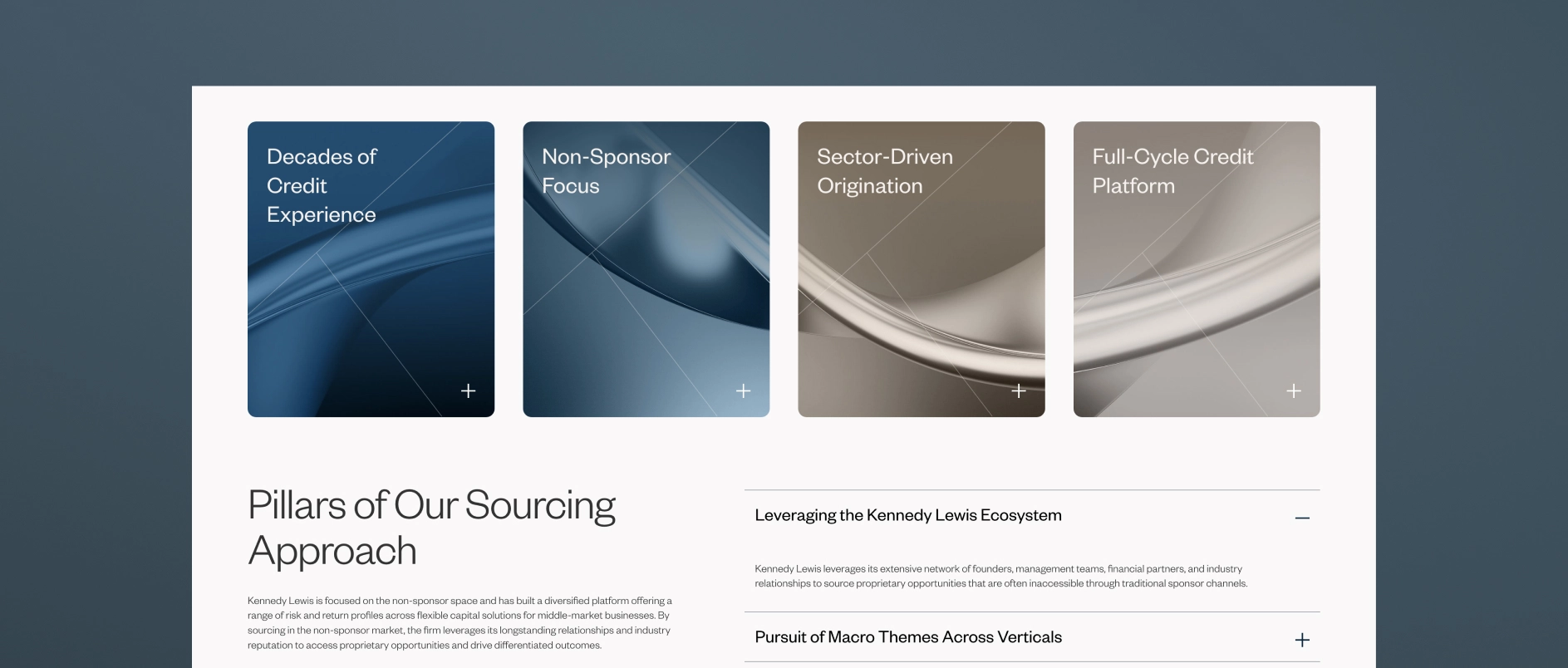
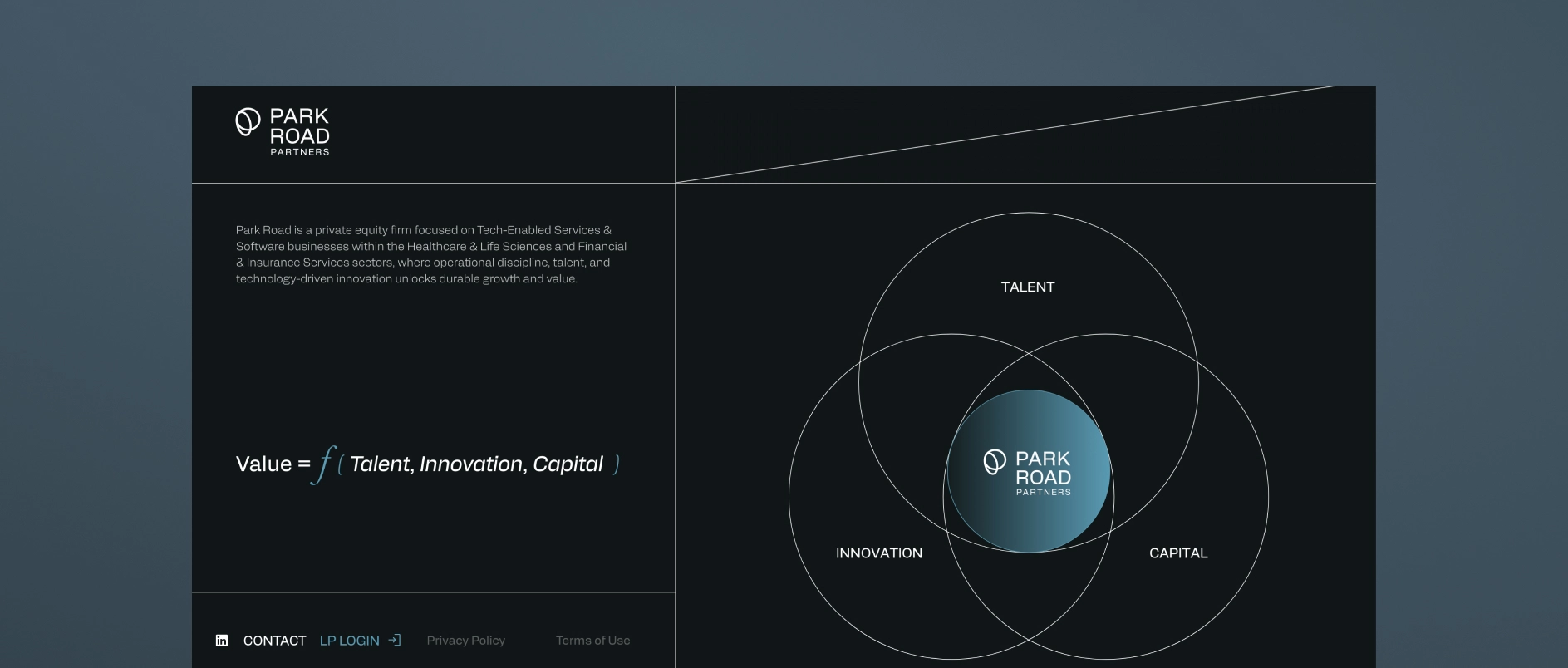
Benchmarking the Modern Private Equity Website
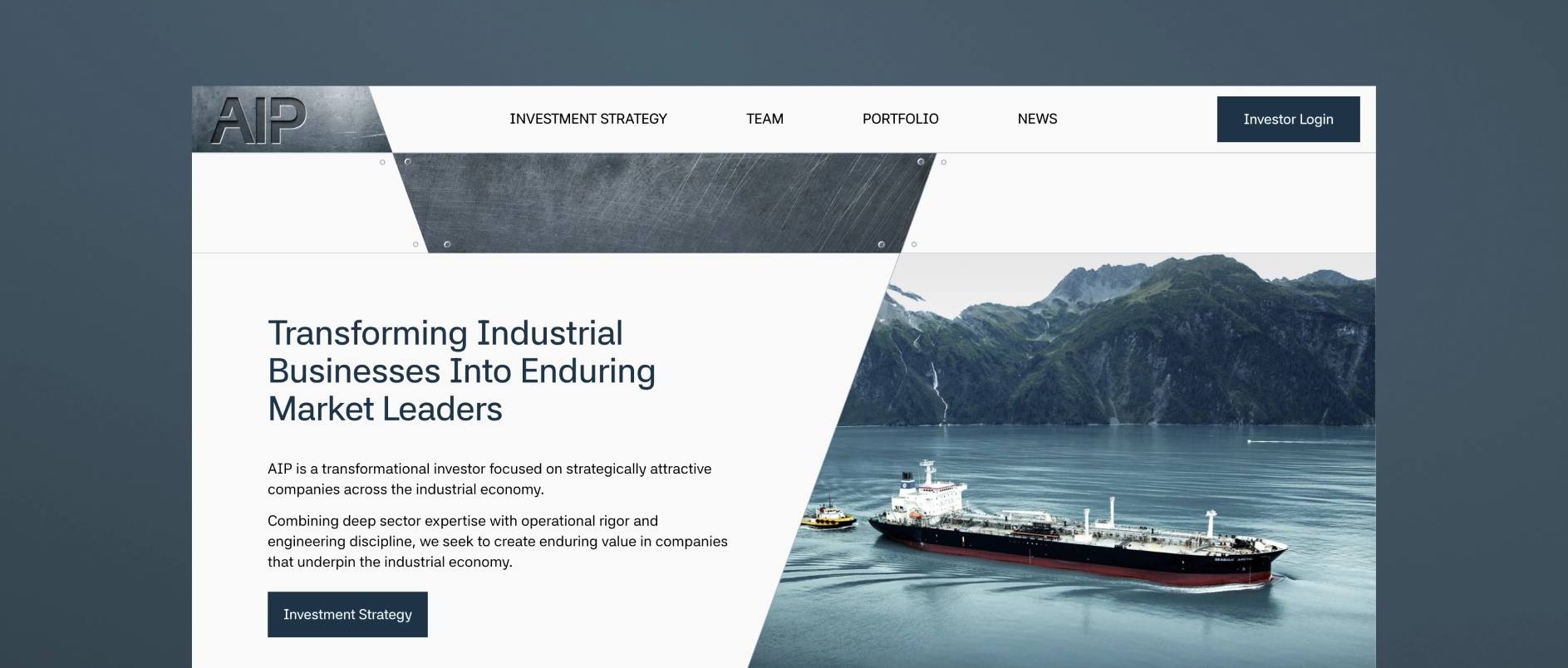
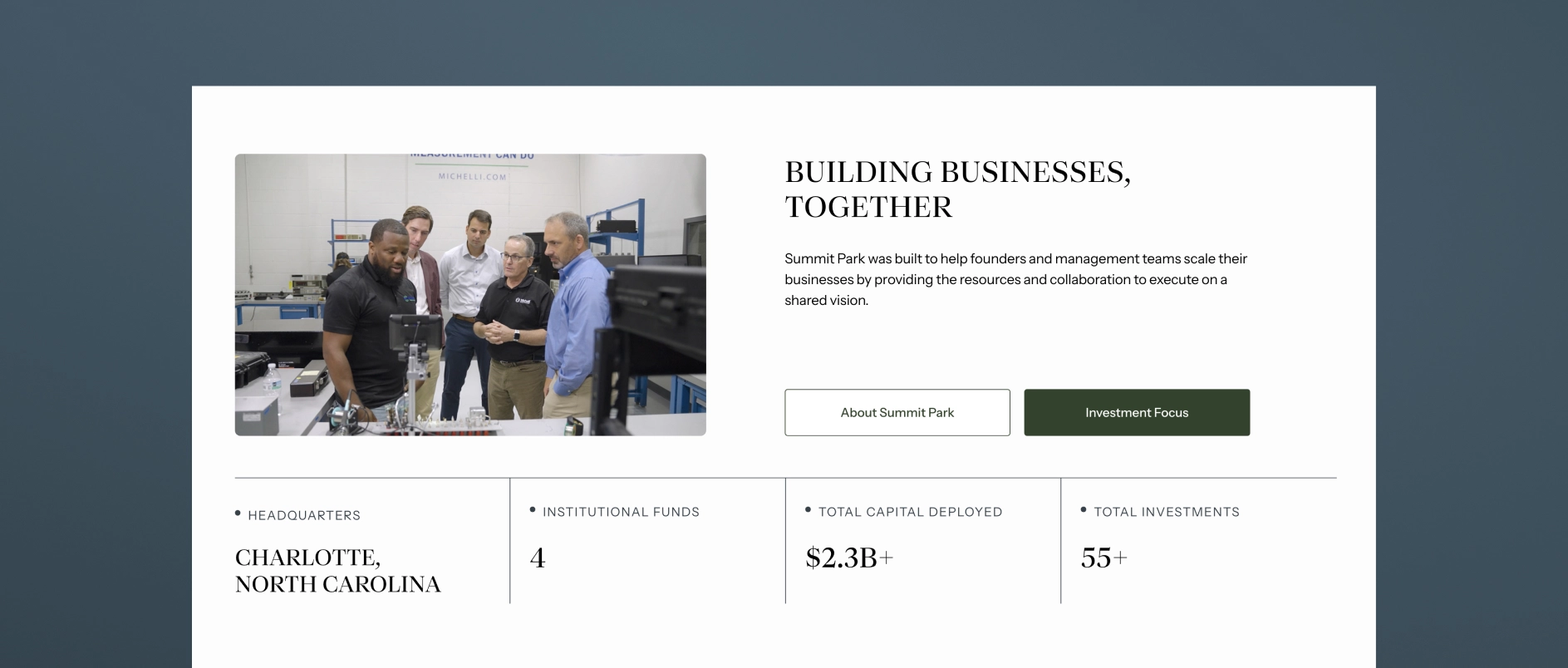
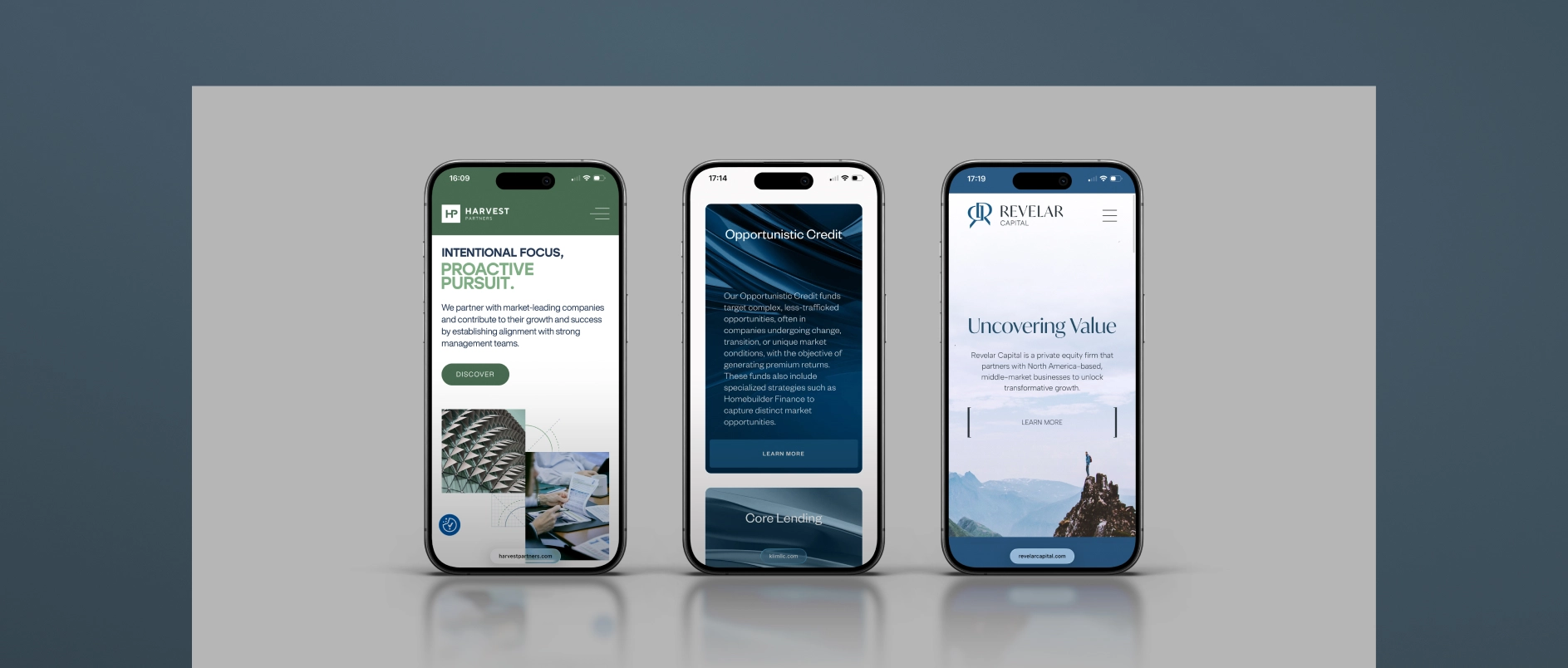
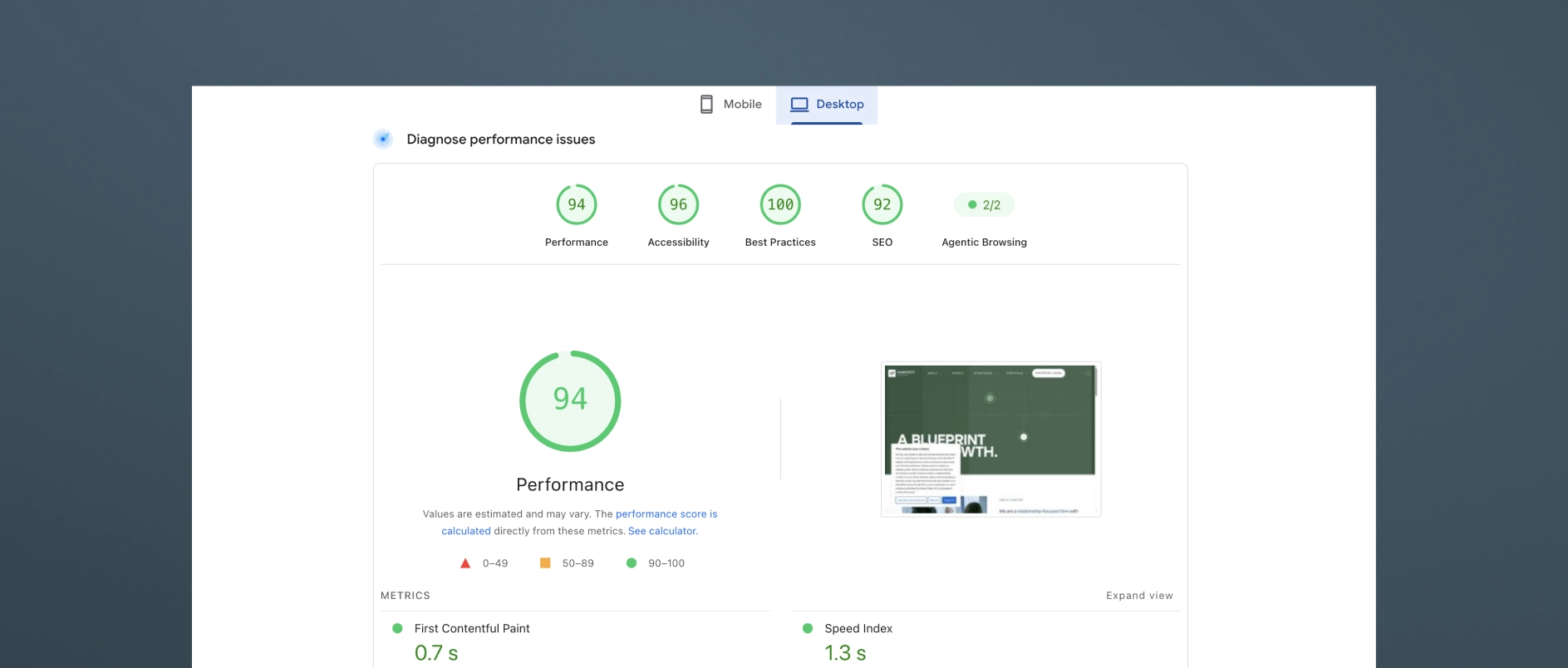
What sets top-performing private equity websites apart? In this report, we analyze leading PE firm websites to uncover key design, content, and UX trends. Whether you're planning a refresh or a full digital overhaul, gain data-driven insights to inform your next move.
Access the Report

Featured Videos

Filter by Category
Thank you! Your submission has been received!
Oops! Something went wrong while submitting the form.
Real Estate

Real Estate Has the Widest Investor Universe of Any Asset Class You Serve

Unlike private equity, where the audience is unusually clean — management teams, sellers, and institutional LPs — real estate fundraising crosses a far larger and more varied spectrum. A single real estate manager might engage with pension funds, family offices, the wealth channel, HNW individuals, retail investors, or all of the above.

And although these groups often get discussed as though they’re monolithic, the reality is more nuanced. They differ in decision-making processes, risk orientation, communication preferences, and the way they interpret brand signals.

This is why real estate messaging can feel harder to calibrate than other asset classes. The audience is broader, the motivations are more varied, and the distribution channels influence how much information investors even see.

In most cases, the firms that succeed across multiple audiences are the ones that tailor the narrative appropriately — not by changing the fundamentals, but by understanding how each audience consumes information and what they look for early in the process.


Institutional LPs: Process, Preparation, and Pattern Recognition

Institutional LPs are often portrayed as uniformly risk-averse, but the truth is more complex. Some institutions are extremely sophisticated, comfortable with contrarian ideas, and willing to back new managers early. Others operate in rigid governance structures designed to avoid surprises.

Broadly speaking, institutional LPs look for three things immediately:

1. Process discipline

The materials must match the internal workflow these LPs use to evaluate managers. They want clarity, structure, and documentation that fits into their comparative frameworks.

Pitchbooks must be organized. DDQs must be complete. Data rooms must be navigable. Visual inconsistency across documents is interpreted as operational inconsistency.

2. Organizational maturity

Most institutions rely on teams of employees who are accountable for avoiding disaster more than capturing outlier upside. That means they look closely at the cues that signal readiness:

  • consistency across brand and materials
  • coherence in narrative structure
  • clarity around strategy
  • clean digital presence
  • unified formatting and labeling

The majority of institutions judge readiness by how a manager presents themselves — because it’s the best early proxy for how they operate.

3. Contextualization of team and track record

Institutions want to understand the people behind the strategy and how they interpret the market. They will eventually scrutinize performance in detail through Preqin, consultant databases, or internal analytics. But early on, they want a well-packaged, well-argued rationale for why the strategy deserves their time.

For managers who are transitioning from syndicating deals to raising commingled funds, this is a ten-year journey in most cases. Only a small fraction complete it. Institutions “weed out” the underprepared with the same quiet rigor that medical schools use to filter pre-med majors — not intentionally, but through the sheer demands of discipline and consistency.


Family Offices: The Most Heterogeneous Audience of All

Family offices sit on the opposite end of the spectrum from institutions. They vary widely in sophistication, structure, and worldview. Some are led by deeply experienced CIOs with institutional backgrounds. Others are run by a handful of principals who make decisions based on intuition, relationship, or personal interest.

Yet, in most cases, a few consistent patterns emerge.

1. They respond to specificity

Family offices often gravitate toward managers who can articulate a clear angle. They want to understand what is interesting about the opportunity, what makes it distinct, and why it fits with the family’s worldview or personal interests.

This is why unique or story-rich strategies — ranchland, farmland, hospitality, niche industrial, redevelopment — can resonate strongly.

2. They react well to polished identity — as long as it’s not corporate wallpaper

Family offices don’t mind polish. In many cases, they appreciate it. But they’re turned off by generic, flavorless “big-company” branding. They prefer identity that feels deliberate and confident, not institutional sameness.

3. They move faster than institutions — usually

A meaningful share of family offices operate without committee structures. The CIO and principals can make a decision after a single meeting, provided the opportunity resonates.

The flip side: if the story feels overcomplicated, jargon-heavy, or indistinct, they disengage just as quickly.


High-Net-Worth Investors: Emotion, Simplicity, and Advisor Influence

HNW individuals span an even wider behavioral spectrum than family offices. Some are cautious. Some are adventurous. Many rely entirely on intermediaries. But as a pattern, a few things hold:

1. Emotional resonance matters

HNW investors often invest in what feels familiar or appealing. Ranchland. Storage. Hospitality. Land. These categories display identity and narrative texture that institutional strategies often mute.

The best analogy is consumer vs. B2B private equity: when someone recognizes a skincare brand they personally use, it creates rapport. Real estate has similar “identity hooks” that matter far more to individuals than institutions.

2. They frequently misunderstand fund mechanics

Not because they are unsophisticated — but because the distribution channels give them incomplete information.

Most HNW allocations are shaped by intermediaries:

  • RIAs
  • wealth managers
  • advisory platforms

These professionals are often limited to the products available on their platform. They work with curated menus from major managers. They rely on summary sheets, not full decks. They are not evaluating the market; they are navigating the options they’re permitted to present.

This is where DG’s clarity-first approach becomes critical: simple, clean, high-level communication that assumes less insider context.

3. Materials are drastically shorter

Individuals are rarely looking at full pitchbooks. They are looking at disclosure-heavy 2–4 page summaries that must do a lot with very little real estate.


RIAs and Wealth Advisors: Clarity Dominates Everything

For advisors, the question is almost always:

“Will this blow up on me?”

The majority of advisors are judged on:

  • stability
  • client satisfaction
  • minimizing disasters

They care more about clarity, simplicity, and trust signals than deep detail.

Brand name matters disproportionately.

When the manager is not a household name, advisors need reassurance through:

  • clean branding
  • modern design
  • straightforward strategy framing
  • explicit risk language
  • extreme succinctness

Microsites, minimalistic layouts, and simple language matter far more in this channel than in institutional fundraising.


Retail Vehicles: Trust, Simplicity, and Professional Restraint

Non-traded REITs, interval funds, Reg A offerings — these sit at the retail end of the spectrum.

In most cases, what works here is:

1. Professionalism above all else

Extreme clarity. Conservative tone. Clean presentation. No hype.

2. Simplicity as a design principle

Retail vehicles require heavy disclosures. Space is limited. Messaging must be distilled to essentials: what the fund is, what the fund does, and why it is structured the way it is.

3. Brand name as the anchor of trust

Starwood’s retail products work because the parent brand carries enormous weight. Smaller managers entering this channel face a steeper climb and must rely on design, clarity, and alignment with credible partners.


The Biggest Mistake: Trying to Speak to All Audiences at Once

Many managers assume they can build one website, one deck, and one set of materials that simultaneously serves:

  • institutions
  • family offices
  • RIAs
  • HNW individuals
  • retail investors

This is the most consistent failure point.

Different investor types require different:

  • depth
  • tone
  • sophistication
  • structure
  • compliance
  • visual design
  • messaging arcs

In general, the cleanest architecture is:

Parent website = institutional

Modern, strategic, thesis-forward.

Wealth/retail products = separate microsites

Distinct, simple, disclosure-aligned, clarity-first.

Trying to merge these in one place dilutes both.


What Stays Constant Across Audiences

Despite the variation, a few fundamentals apply everywhere:

  • clarity always matters
  • a clean website always signals maturity
  • coherence across materials signals operational discipline
  • a clear thesis always beats generic language
  • consistency across visuals signals that the manager has their act together

Investors can differ, but confusion turns everyone away.


Why This Matters for Real Estate Managers

Real estate is unique in that a single platform can attract billion-dollar institutional allocations and $50k checks from individuals.

This range is an advantage — but only if the manager understands how to adjust the story, not abandon it.

The strongest brands in real estate are the ones who express the same strategy in different ways to different audiences. Not by hiding detail, not by spinning narratives, but by respecting the reality that investors evaluate opportunities through very different lenses.

And in a category as crowded and cyclical as real estate, that nuance becomes one of the few true differentiators a manager can control.

Real Estate

Most Real Estate Managers Don’t Realize They’re Sending Developer Signals

Real estate is a category where language and visuals often blur between sub-industries. Many managers come from development backgrounds — construction, entitlements, leasing, project management — and their early instincts around presentation tend to mirror that history.

The problem is simple: when a real estate investment manager unintentionally looks like a developer, LPs assume the manager takes developer-like risk, even if the strategy is purely income-oriented or value-add.

This is not about sophistication or prestige. It is about category misclassification. When the visual identity sends the wrong cues, LPs start evaluating the manager through the wrong mental model.


What Developer Branding Typically Signals

LPs associate developer aesthetics with specific types of risk:

  • entitlement and zoning uncertainty
  • ground-up construction
  • unpredictable timing
  • project-level volatility
  • heavy capex cycles
  • execution risk that can’t be diversified away

These exposures are perfectly reasonable in the right fund — opportunistic, higher-return profiles — but they are not what most LPs want in a core, core-plus, or even traditional value-add mandate.

A firm may not touch development risk at all, but if the brand looks like an offering memorandum for a specific building, the impression is already set.


How Real Estate Managers Accidentally Look Like Developers

Most mis-signaling falls into a handful of patterns.

1. Leading with property photos instead of strategy

Full-bleed photos of single assets immediately create the sense of a project-specific pitch. LPs assume the firm is pushing a deal, not a strategy.

2. Using overly literal or interior-heavy photography

Developers showcase finishes, materials, and design details. Investors should not. Interiors signal micro-level risk, not platform-level strategy.

3. Organizing content around assets instead of ideas

When portfolio grids dominate the homepage, the platform feels secondary. LPs want to understand the thesis, not the past transactions.

4. Copy tone that reads like a project flyer

Language about “bringing properties to life,” “reimagining spaces,” or “transforming communities” is developer language. Investment-oriented LPs clock this immediately.

5. Visual hierarchy that puts the building above the firm

Developer brands elevate the building. Investor brands elevate the strategy, the market interpretation, and the team.


What Institutional Investors Expect Instead

Real estate LPs want to understand the lens through which the manager views the world. That lens should be visible immediately, and it should not rely on photography to carry the message.

Institutional cues come from:

  • a confident but restrained color palette
  • strong typography
  • a clean, minimal layout
  • a strategy-led homepage hero
  • copy that signals clarity of thinking
  • visuals that feel like a brand, not a flyer

These are the attributes LPs associate with managers they’ve backed before — not because of aesthetics alone, but because institutional brands correlate with platform maturity.


When Property Photography Actually Works

There are property types where photography can elevate rather than degrade:

  • large-format industrial (scale communicates value)
  • select urban office towers with architectural distinction
  • hospitality, when design is part of the value story
  • self-storage or niche industrial with drone imagery that conveys footprint

But even then, photography should be supporting, not leading. If the visual identity collapses without photos, the brand is fragile.


How to Fix Developer Mis-Signals

Managers can avoid developer cues by making targeted brand and design decisions.

1. Lead with strategy, not assets

The homepage should articulate the thesis. Photography can show up later, once the LP has context.

2. Use abstraction as your visual anchor

Color, geometry, and minimalistic art direction signal investment discipline more effectively than literal property imagery.

3. Create a tagline that expresses the platform, not the portfolio

A good line synthesizes property type, geography, and value creation method into a message LPs can immediately grasp.

4. Reframe asset visuals as evidence, not identity

Use properties to illustrate the strategy, not to define it. Put them in supporting slides, not the opening hero.

5. Build a visual system that stands even if you removed all photography

This is how real estate brands become memorable and truly institutional.


The Brand Question Every Real Estate Manager Should Ask

If you removed every image of every building from your materials, would a prospective LP still know who you are?

If the answer is no, the brand is not yet institutional. It is still anchored in the project-level identity of a developer.

LPs need to see maturity, intentionality, and clarity at the platform level. They need to understand the firm, not just the assets.

And above all else, they need to feel that the manager understands how to tell an investment story — not a construction story.

In a category where visual signals do much of the early sorting, getting this distinction right is not cosmetic. It is strategic. And it is often the difference between being perceived as a manager with a coherent thesis and being mistaken for something else entirely.

Real Estate

Your Website Creates the First Impression — Not Your Pitchbook

Real estate managers often assume the pitchbook is the primary place where LPs begin evaluating the story. In reality, the first exposure is nearly always digital. Before a call is scheduled or a deck is opened, LPs will search the firm, scan the homepage, and form an early impression based almost entirely on the website.

And because websites change far less frequently than pitchbooks — usually every four to six years — this digital first impression holds enormous weight. The website becomes the visual anchor of the entire brand. It’s where LPs get their bearings. It’s where they decide whether the firm looks organized, mature, and credible. And those judgments happen fast.

Within five seconds, LPs have already concluded whether the manager is worth learning more about. That is not because they are superficial. It is because they have learned to read early signals that correlate strongly with institutional readiness.


What LPs Look For Instantly

Real estate LPs do not begin by reading your content. In the first few seconds, they are scanning for category and coherence.

1. Does this firm look like an investor — or a developer?

This is the single biggest digital risk in the category.

Real estate managers unintentionally signal “developer” more often than they realize. They lead with full-bleed photos of individual buildings, interior shots, or project-specific imagery that feels like an offering memorandum.

Developer visuals signal:

  • entitlement risk
  • construction risk
  • timing volatility
  • project-specific uncertainty

If the LP is not explicitly looking for that exposure, they move on mentally before they’ve read a word.

Institutional real estate managers should lead with strategy, not assets. Photography should support the brand, not define it.

2. Does the digital brand stand on its own without property photos?

If removing the property imagery leaves you with nothing memorable, you don’t yet have a brand — you have a template.

LPs respond to websites that communicate identity through:

  • color
  • typography
  • composition
  • abstraction
  • tone

These elements are what make the site feel sophisticated. Property photos can enhance the brand, but they cannot carry it.

3. How modern and organized does the site feel?

LPs interpret digital order as operational order.

When a site looks dated or overloaded — long walls of text, cluttered pages, outdated layouts — LPs subconsciously extend those impressions to the rest of the organization.

Conversely, clean hierarchy, disciplined white space, and thoughtful structure all signal that the firm is prepared for institutional scrutiny.

4. What does the tagline tell me?

The homepage headline is one of the highest-traffic brand assets the firm will ever create. LPs use it to determine:

  • what the firm actually does
  • whether the strategy is clear
  • how the team sees its own value
  • whether the thesis is generic or distinct

A strong tagline synthesizes property type, geography, value creation, and culture in a single line. A weak one creates instant sameness.

5. Do the visuals match the cycle?

Even without reading the content, LPs look for cues that the manager understands where the asset class sits in the cycle.

For example:

  • industrial can get away with scale-centric photography
  • office needs a thesis-driven opening narrative
  • retail requires clarity around valuation and repositioning
  • multifamily needs restraint to avoid signaling over-exuberance

LPs read these cues before they ever get to the words.


Why the Bar Is Surprisingly Low in Real Estate

Unlike private equity, where web and brand sophistication is relatively standardized, real estate digital presence varies dramatically. Many firms still operate with sites that were built five to ten years ago. The layouts feel outdated. The typography feels generic. The content feels thin.

LPs notice all of this. But more importantly, they notice when a firm looks different. In a category where sameness is the default, even modest improvements in digital design create disproportionate impact.

This is why a modern website is one of the most powerful levers a real estate firm has to shape early perception. You do not need a revolutionary brand to stand out. You simply need a clear, uncluttered, well-structured site that reflects the way LPs naturally scan.


The Photography Question — Use It Only If It Helps You

Real estate assets are physical, so managers often assume photography must be central. Sometimes that’s true. Industrial, in particular, benefits from aerial photography because scale is part of the story.

But in most other property types, photography is a high-risk, high-reward tool. Poor-quality photos — or even average ones — degrade the entire brand. And some property types simply don’t photograph well, especially Class B and C multifamily or aging retail centers.

Managers must be honest about whether photography strengthens or weakens their brand. If the assets are ordinary, they should not carry the aesthetic weight of the site.

Great managers invest early in real asset photography. They make it part of annual operations. They treat documentation as brand infrastructure. The firms who treat photography as a strategic asset always stand out.


Why the First Five Seconds Matter More Than the Rest of the Website

LPs rarely read deep into a site during early evaluation. What they are reacting to is coherence — not detail.

If the site feels disciplined, modern, and strategically composed, LPs assume the same about the platform. If it feels dated, generic, or developer-like, they assume the opposite.

These assumptions are not trivial. They influence:

  • how LPs interpret the pitchbook
  • whether they trust the team’s preparation
  • how rigorous they expect the underwriting to be
  • how they map the firm relative to peers
  • whether the manager feels “ready” for institutional capital

The first five seconds of the website shape the frame through which everything else is understood.


The Goal Is Not Perfection — It’s Coherence

Real estate managers do not need cinematic websites or avant-garde design. LPs are not grading creativity. They are reading for order, maturity, and clarity.

A successful real estate website signals:

  • “We know who we are.”
  • “We know what investors care about.”
  • “We understand where our strategy sits in the cycle.”
  • “We are prepared.”

Those signals matter more than anything else a website can communicate.

In a category where strategies often overlap and portfolios often look similar, the firms who control the first five seconds control the narrative. And in real estate, controlling the narrative early is often the difference between being considered and being forgotten.

Real Estate

Most Real Estate Brands Miss the Point

In real estate, “institutional” is a word that gets thrown around casually. Firms describe themselves as institutional because they have a certain AUM threshold, or because they serve pension funds, or because they’ve moved beyond friends-and-family capital. But those criteria, on their own, do not create the perception of institutional quality. LPs define “institutional” through a different lens. They are reading for signals — subtle ones — that suggest maturity, preparedness, and credibility.

A real estate manager can have a billion dollars of assets and still look non-institutional. Another manager can be on Fund I and look far more polished. Institutional branding is not about size. It is about coherence, confidence, and the way the firm expresses its strategy and culture through design, language, and structure.

Real estate managers often underestimate how quickly LPs pick up on these signals. They assume investors will “see past” a dated website or a generic deck. But LPs do not interpret these artifacts as surface-level issues. They interpret them as indicators of how the rest of the platform operates.

Institutional branding is therefore not a layer added at the end. It is one of the clearest proxies an LP has for whether the manager is ready for institutional capital in the first place.


Why Real Estate Branding Lags Behind Private Equity

Real estate managers typically come from the operator side of the industry. They were developers, construction managers, acquisitions professionals, or brokers before launching a fund. Their instincts are rooted in execution, not presentation. And many have built successful track records without ever needing to communicate with LPs in an institutional format.

That background is not a flaw. It’s part of why the industry works. But it also creates a persistent gap between how managers think about their platform and how LPs expect to consume information. In private equity, the presentation of the firm has been part of the discipline for decades. In real estate, that discipline only emerges when a manager begins raising institutional capital for the first time.

This creates a wide spectrum of brand maturity across the industry. Some firms lean heavily into developer-style aesthetics, using photography and layout patterns that signal project-level risk. Others mirror private equity so closely that they lose the distinctive qualities of a real estate investor. The institutional middle is where the strongest brands live.


The Aesthetic Difference Between Developers and Investors

Most of the pitfalls in real estate branding come back to a single issue: many firms unintentionally present themselves as developers instead of investors. LPs react strongly to this distinction. Developer cues signal a different category of risk — entitlements, construction, timing, and project-level uncertainty. Investors, on the other hand, manage portfolios, not projects. Their role is to assess, acquire, operate, and harvest assets in a way that fits a defined strategy.

When a real estate manager’s website or pitchbook looks like a sales brochure for a single building, LPs immediately begin to question whether the platform is ready for institutional capital. They want abstraction, not literalism. They want a brand that can communicate ideas and strategy, not simply showcase square footage.

This is why trophy-asset photography can work at scale — and why almost everything else doesn’t. If the assets do not photograph well, or if the photography is inconsistent, it diminishes the entire brand. The default direction should be to build a visual identity that stands on its own even when the property photos are removed.


What Great Institutional Real Estate Brands Have in Common

Across the real estate firms that truly get this right, the same characteristics show up repeatedly:

1. A Visual System That Stands Alone

Color, typography, motion, and composition combine to create a recognizable identity. The brand is not carried by the properties; the properties are carried by the brand.

2. A Clear, Memorable Positioning Line

The homepage tagline encapsulates the thesis, the value creation method, and the tone of the organization. It is concise, distinct, and written in a way that a CIO could repeat effortlessly.

3. A Modern, Minimalist Digital Experience

Clean UX/UI, clear hierarchy, fast-loading pages, and restrained use of photography all create the impression of order. LPs interpret cleanliness as competence. Clutter creates uncertainty.

4. A Consistent, Mature Design Language Across All Materials

The pitchbook, website, tear sheets, and PPM should feel like components of the same system. This consistency signals that the firm is operationally organized — an attribute LPs care about deeply.

5. A Willingness to Avoid Generic Templates

The biggest differentiator between institutional and non-institutional brands is a willingness to abandon the clichés of the category. Cookie-cutter apartment photos, overused color palettes, and standard industry copy all contribute to the sense of sameness.


Hines: A Case Study in Institutional Real Estate Branding

Hines is one of the few real estate firms that has built a brand as recognizable as many private equity managers. Their use of a deep crimson red is bold, especially in a category where red is often avoided due to its financial associations. But it works because the entire identity is coherent. It feels global. It feels confident. And it aligns seamlessly with the scale and sophistication of the platform.

Equally important, Hines has invested heavily in content. Their insights, research, and thought leadership reinforce the brand in a way that many managers overlook. Content is not decoration. It is part of the credibility engine. And for LPs, a steady cadence of high-quality thinking signals maturity.


What Institutional Branding Is Really Signaling

At the end of the day, institutional branding is not about color palettes or fonts. It is about reducing friction in the diligence process. A well-executed brand does three things:

  • It communicates that the manager understands LP expectations.
  • It demonstrates organizational maturity.
  • It reframes the strategy in a way that helps LPs understand the opportunity quickly.

LPs want confidence. They want clarity. And they want to feel that the manager they are considering is playing at a level appropriate for institutional capital.

The external brand is the proxy for all of that.


Institutional Is a Feeling, Not a Formula

The best institutional brands in real estate communicate something deeper than graphic design. They express conviction, coherence, and preparedness. They tell LPs that the manager has architected its platform thoughtfully. They make the story easier to understand and the opportunity easier to trust.

Institutional is not a checklist. It is a feeling LPs get when a manager has taken the time to articulate who they are and why their strategy matters. In real estate — an industry built on physical assets but driven by perception — that feeling is often the difference between being evaluated and being overlooked.

Real Estate

Most Real Estate Stories Start in the Wrong Place

Real estate managers often begin their pitchbooks and websites with a long description of the firm. They lead with the number of employees, total AUM, years in business, or a generic explanation of their strategy. This is understandable. Most real estate firms are operator-led, and operators instinctively talk about what they’ve built, what they own, or how they manage their properties.

But LPs aren’t looking for a chronology. They’re looking for a point of view. And the order in which you tell your story has a direct impact on how LPs understand the opportunity. A poorly structured narrative forces them to hunt for meaning. A well-structured one gives them a clear, immediate sense of whether the strategy deserves attention.

Real estate is highly cyclical and extremely sensitivity-driven. LPs evaluate managers through the lens of “why this strategy now,” often before they evaluate “why this team.” If you lead with the wrong section, you’re already fighting uphill.


The First Question LPs Want Answered

When LPs open a deck or a website, the question running through their mind is simple:

“Where are we in the cycle — and how does this strategy take advantage of it?”

Real estate does not behave like private equity, where GPs can sometimes transcend sector cycles with a strong operating framework or differentiated sourcing model. In real estate, the asset type and market context are part of the story. If the environment is against you, LPs want to understand whether you have a thesis that addresses it.

In other words, LPs evaluate the market first and the manager second.

The narrative must reflect that order.


Why Most Real Estate Firms Over-Explain the Basics

Another common misstep is spending too much time defining the property type or explaining obvious mechanics. LPs do not need a lecture on what workforce housing is, or how industrial cash flows work, or the difference between Class A and Class B assets. They already know all of this.

What they want is the manager’s interpretation of the opportunity:

  • What has changed in this market?
  • What do you see that others don’t?
  • Why does this geography matter right now?
  • Why is this asset type compressed or mispriced?
  • What structural forces are supporting or undermining this strategy?

A real estate investment story is not an encyclopedic overview. It is a curated argument.


The Right Structure for a Real Estate Investment Story

To give LPs what they want — quickly — real estate managers should structure their narrative around three sections.

1. The Market Thesis (Where the Opportunity Lives)

This is where most real estate stories need to start, because this is where LPs’ heads already are.

The market thesis should establish:

  • the cycle position
  • valuation dynamics
  • supply-demand imbalances
  • geographic specifics
  • structural drivers (demographics, migration, policy, infrastructure)

This should be crisp, not sprawling. LPs don’t want twenty pages of macro research in a deck. But they do want a clear summary of why now is an attractive moment to deploy capital behind your strategy.

The best market theses are contrarian without being reckless, or consensus-aligned without sounding generic.

2. The Strategy Mechanics (How the Opportunity Is Captured)

Once LPs understand the opportunity, they want to understand how you take advantage of it.

This is where most managers revert to generic phrasing. Instead, this section should unpack the specific mechanics your team uses to create value:

  • sourcing edge
  • underwriting nuance
  • operational philosophy
  • technology enablement
  • renovation or repositioning framework
  • leasing and retention strategy
  • defensive measures

This is where smaller and midsized managers often shine. They may not have the brand recognition of a large platform, but they often have richer detail and more direct experience. When expressed clearly, that detail becomes a differentiator.

3. The Team Edge (Why You Are the Right Jockey for This Horse)

Only after LPs understand the asset class and the strategy do they want to understand the people.

This section should emphasize:

  • firm history
  • team pedigree
  • track record
  • culture and alignment
  • repeatable processes
  • organizational maturity

This is also where the brand plays a subtle but important role. If the team slide looks dated, cluttered, or visually inconsistent, LPs read that as a proxy for operational maturity. A well-designed team section reinforces the sense that the firm is organized, thoughtful, and prepared for institutional scrutiny.


Why Visual Structure Matters as Much as Narrative Structure

Real estate stories are not just read; they are scanned.

LPs evaluate:

  • the opening headline
  • the first few slides
  • the homepage hero
  • the imagery
  • the composition
  • the tone

If your story is structured well but expressed through outdated visuals, LPs may never get to the substance. This is why the website, pitchbook design, and brand elements matter. They create the frame through which the entire story is interpreted.

The reverse is also true. A visually coherent and modern system makes even a complex or contrarian strategy feel more understandable and credible.


Avoiding Developer Vibes — And Why It Matters

Many real estate managers unintentionally create a narrative structure that resembles a development brochure. They lead with property photos, discuss individual assets too early, or present themselves as operators rather than investment managers.

LPs read this as a risk signal. They assume you are taking construction, entitlement, or project-level volatility unless you make a clear case otherwise.

The investment story should lead with strategy, not assets. Assets illustrate the story later; they should not define it.


The Goal of the Narrative: Coherence, Not Magnitude

LPs do not need to be overwhelmed. They do not need exhaustive data. What they want is coherence:

  • a clear thesis
  • a strategy that matches the thesis
  • a team whose skills match the strategy

The story works when these pieces fit together without friction. When the market thesis, strategy mechanics, and team edge reinforce one another, LPs feel the logic internally. And when that happens, the manager doesn’t sound like everyone else — even if the strategy is similar to dozens of competitors.

A real estate investment story succeeds when it feels like it could not belong to anyone else.

Real Estate

The Sameness Problem Runs Deep in Real Estate

Spend ten minutes browsing the websites of the top real estate managers by AUM and a pattern becomes obvious. The brands look similar. The language sounds identical. And the positioning frameworks rarely diverge from a short list of familiar claims.

This isn’t a coincidence. Real estate is a category where most firms are solving similar problems in similar ways. You can only talk about buying well, operating efficiently, and selling at the right time in so many permutations. But LPs are not evaluating firms in a vacuum. They are evaluating them side-by-side, and sameness makes the differentiation problem worse than it needs to be.

The central issue is not that real estate managers lack substance. It’s that the substance is rarely expressed in a way that feels distinct, memorable, or tailored to the strategy. And when LPs read the same phrases over and over, they begin to filter them out.


Why the Language Converges

Most real estate managers describe themselves using one or more of the following ideas:

  • vertically integrated
  • hands-on
  • value-add
  • conservative underwriting
  • disciplined acquisition process
  • proprietary sourcing
  • data-driven decision-making

These are all reasonable descriptors. The problem is that they have been used so extensively that they no longer differentiate. They function as table stakes. LPs may believe these characteristics are present, but they do not interpret them as meaningful advantages.

One allocator put it to me directly years ago. When a client insisted we lead with “vertically integrated,” she said, “It’s not automatically a good thing. I need to know why the vertical integration exists and how it benefits the LP. It’s not the presence of the feature. It’s the quality of the explanation.”

That simple remark captures the broader challenge. Most firms rely on vocabulary that sounds institutional, but the institutional story isn’t actually being told.


Differentiation Comes From Depth, Not Labels

Real estate differentiation rarely comes from high-level concepts. It comes from:

  • property type nuances
  • geography-specific insights
  • value-creation methodology
  • operating sophistication
  • technology enablement
  • capital discipline
  • deal sourcing edge
  • team pedigree and history

Two managers may both say “value-add,” but one is talking about light unit upgrades in suburban multifamily, while another is talking about repositioning distressed industrial stock with a technology layer that reduces operating friction. The former sounds like everyone else. The latter tells a story LPs can visualize.

Real differentiation happens when you articulate the mechanism, not the label.


The Cyclical Nature of Real Estate Makes Positioning Harder

In many asset classes, differentiation is driven by strategy. In real estate, differentiation is driven by cycle awareness. What feels compelling in one year can feel stale or risky in another.

A manager in data centers today can lead with conviction. A manager in office must lead with thesis. A manager in shopping centers must lead with valuation. LPs expect managers to address cycle positioning early and directly. If you do not, they assume you have nothing to say.

This is why positioning cannot be static. The story must reflect:

  • where your asset class sits in the cycle
  • what contrarian or consensus view you hold
  • how your approach mitigates the exposures LPs fear
  • what the recent performance patterns imply

Real estate LPs do not want a generic explanation of the strategy. They want to know where the opportunity is now.


Why LPs Respond When You Go a Level Deeper

The managers who stand out are the ones who push beyond the industry’s shared vocabulary.

One of the more striking examples in recent years came from a self-storage platform we supported. They had an unusually sophisticated technology layer for property access and management. They had never articulated it clearly because they were used to raising capital from high-net-worth investors who didn’t require the detail.

When we reframed their narrative in a more institutionally credible way, the differentiation became obvious. The technology wasn’t a “feature.” It was a mechanism that reduced friction, reduced cost, and enhanced scalability. Once framed that way, the platform looked more compelling and more defensible.

This is the kind of detail LPs are looking for. Not new labels, but new clarity.


The Positioning Moves LPs Actually Notice

LPs may skim the first few lines of a deck or site, but they do retain certain signals:

  1. A thesis that is specific, timely, and clearly argued.
    Not “we buy value-add multifamily in the Sunbelt,” but “we target mid-1980s suburban stock in markets where outmigration of workforce renters is slowing and supply constraints are rising.”
  2. A brand expression that avoids developer cues.
    If your materials feel like they’re advertising a single property, LPs assume you’re taking developer-like risk.
  3. Details that illustrate operating edge.
    If you know something your competitors don’t, show it.
  4. A homepage or first slide that captures your actual strategy, not a generic category description.
    This is where the tagline matters. It should express what is unique and ownable about your approach.

The Real Risk of Sounding Like Everyone Else

Sameness in real estate doesn’t just make you forgettable. It creates friction. LPs do not want to spend time deciphering your strategy. They do not want to guess how your value creation works. They do not want to assume your team is prepared for institutional scrutiny.

When your positioning is indistinct, LPs default back to the managers who have already earned their trust or have already built the scale that de-risks the relationship. Smaller and newer managers are the ones penalized most severely by sameness.

But the inverse is also true: smaller managers, when positioned well, can stand out more easily because they have more freedom to articulate a sharper tone of voice and a clearer point of view.


Breaking the Pattern

If you want to sound different in a category where everyone sounds the same, you must decide what is truly yours. That means identifying the specific intersection of property type, strategy, geography, and operating competency and turning it into a point of view that LPs can understand quickly.

When you articulate that clearly, LPs feel the difference immediately. They recognize coherence. They sense conviction. And they remember you.

Differentiation in real estate is not about inventing a new vocabulary. It is about telling the truth about what you do — with enough depth, clarity, and confidence that LPs realize they have not heard this explanation a hundred times before.

Real Estate

Real Estate LPs Decide Faster Than They Admit

In real estate fundraising, the first thirty seconds carry an outsized share of influence. LPs don’t think of this moment as a “decision.” They’re simply reacting — sorting, filtering, and trying to determine whether a manager fits the category, the cycle, and the credibility threshold they’re operating within.

Unlike private equity, where a charismatic founder or differentiated operating model can earn a second look, real estate LPs begin with something more primitive: Do I even want exposure to this asset type right now? If the property type, geography, or strategy is too far outside their mandate, the evaluation stops quickly.

My early IR experience at BKM Capital Partners taught me this firsthand. In 2014, multi-tenant industrial was not yet an institutional darling. Educating LPs took work. What ultimately broke through wasn’t a change in strategy; it was a change in presentation. The pitchbook, the PPM, the website — once those elements looked and read like institutional materials, LPs finally engaged the story. That lesson has stayed with me ever since.


What LPs Try to Learn Immediately

When an LP opens a deck or lands on a homepage, they’re trying to answer two questions almost subconsciously.

1. Does this strategy fit the mandate I have right now?

Real estate is more cyclical and sentiment-driven than any other asset class we touch. A Sunbelt multifamily fund in 2015 was considered a disciplined, defensive choice; by 2022, the same strategy carried very different risk optics. A contrarian retail or office thesis may be valid, but it needs to be articulated with clarity and conviction immediately.

In other words, LPs aren’t reading your story first — they’re reading the market first. And only then do they evaluate the manager.

2. Does this firm feel institutionally credible?

Real estate managers often come from development, acquisitions, or construction backgrounds. Their instincts are operational, not allocative. That is not a criticism; it’s part of the sector’s appeal. But it also means that narrative, design, and communication may not be instinctive.

LPs don’t expect a RE manager to look like a global PE firm. But they do expect:

  • clear, modern materials
  • a cohesive brand
  • a website that doesn’t feel dated
  • photography that elevates rather than diminishes the story

The first impression is not about gloss. It’s about whether the platform looks mature enough to be taken seriously.


Where Credibility Breaks in Real Estate Branding

Real estate managers unintentionally undermine themselves when their materials look more like a developer brochure than an investment manager identity.

Developer cues signal the wrong risks: entitlement, construction, timing. Unless the mandate is explicitly opportunistic, these are exposures LPs prefer to avoid.

This is why the firms who win the first thirty seconds present as investors, not builders. Their materials frame the strategy, the market context, the team, and the value creation approach before they ever show an asset.


The Sameness Problem — And Why LPs Tune Out Fast

Most real estate managers sound the same because they rely on the same familiar language:

  • vertically integrated
  • hands-on
  • value-add
  • proprietary sourcing
  • data-driven

These phrases have been used so frequently they’ve lost meaning. They may be true, but they don’t differentiate. What LPs want to understand is how these attributes manifest in this specific strategy.

The managers who stand out go a level deeper. They talk about the actual mechanics of value creation — the technology layer in their operations, the underwriting nuance that others overlook, or the strategic advantage in a particular geography. Detail, not vocabulary, builds conviction.


Why the Website Matters More Than Managers Realize

Pitchbooks change annually. Websites last four to six years. That longevity makes the website the anchor of the visual brand.

It is also the most expressive medium real estate managers have. Color, typography, motion, and hierarchy shape the emotional impression LPs form before they evaluate a single number. And because many real estate sites skew dated — heavy text, template layouts, developer-style imagery — the bar for improvement is surprisingly low.

One of the best examples of a real estate brand that truly works is Hines. Their aesthetic is elegant, disciplined, and unmistakably institutional. Their use of a deep crimson as a primary color is a bold choice in a category that often avoids red. But it works because the entire system is coherent. It feels like the brand of a global manager.

This is what most firms miss. If you removed the property photos from your website, would anything distinctive remain? If not, you don’t yet have a brand — you have a template.


The Tagline and the Three Things LPs Remember

LPs will only remember a few things after an introductory interaction. The tagline and homepage language should encode those elements clearly. The line should reflect the unique intersection of property type, geography, value creation method, and team DNA.

This line will make tens of thousands of impressions over the life of the website and must carry enough specificity to stand apart from the crowd.


What LPs Want to Feel in the First Thirty Seconds

LPs aren’t looking for perfection. They’re looking for clarity and coherence. They want a strategy that fits their mandate and a manager who presents with enough maturity to justify deeper diligence.

Real estate fundraising is cyclical. Tastes change. Strategies fall in and out of favor. But the managers who consistently win early mindshare are the ones who understand that those first seconds of exposure are not superficial. They are establishing the frame through which the entire platform will be interpreted.

A strong brand doesn’t close the deal. It earns the meeting. And in real estate, that alone can be the difference between being considered and being forgotten.

Design
Brand Strategy

The Truth About Logos

In investment management and private equity, logos are like names: places where clients tend to get overly fixated.

They’re emotionally charged artifacts — small enough for everyone to have an opinion, subjective enough for no one to be objectively right. We’ve seen entire brand-development projects stall for months because partners can’t agree on the exact line weight of a serif or whether the icon looks more dignified in navy or charcoal.

And yet, a logo is never what defines a firm. It’s an emblem, not an identity. It carries meaning only through the quality of the broader brand and the reputation built behind it.

Still, there are ways to get logos right — and more often, ways to avoid getting them wrong.


What a Logo Should (and Shouldn’t) Be

Within private equity and investment management, the visual bar is high. You’re selling trust, judgment, and long-term stewardship, not consumer products. A logo’s job is to support those associations quietly — not to draw attention to itself.

At the highest level, a good logo just needs to be quality work. In practice, that means:

  • It’s well-crafted and consistent with the rest of your brand system.
  • It has some degree of meaning, even if that meaning is oblique or abstract.
  • It’s versatile — scalable, legible, and functional across every medium.

You don’t want a logo icon so intricate that it falls apart when reduced to a small size, or so horizontally long that it can’t fit gracefully on conference signage, a presentation cover, or a LinkedIn avatar. You also don’t want a logo that only works when every word of your firm’s name is spelled out.

The goal isn’t brilliance — it’s utility, elegance, and alignment.


The “Mailbox Before the House” Problem

Perhaps the biggest misstep we see — thankfully less often now — is the firm that says, “We’ve already got a logo, now we’re ready for a website.”

That’s like going to an architect and saying, “We’ve purchased a mailbox, and we’d like to design a house around it.”

It makes no sense.

What it tells us, almost every time, is that someone went to 99designs or a similar platform and paid $100 for a batch of freelance submissions. That process yields what you’d expect: commoditized, uninformed work that’s aesthetically random and strategically disconnected.

The problem isn’t just quality — it’s coherence. Those logos weren’t built with any understanding of the firm’s strategy, target investors, or story. They can’t possibly work as the centerpiece of a brand system because they were never conceived as part of one.


Why Craftsmanship Still Matters

A well-done logo has levels of sophistication, nuance, and restraint that most financial professionals, understandably, aren’t equipped to analyze. That’s why they often assume that more options, or more ornate designs, equal better outcomes.

But good identity design isn’t about novelty. It’s about proportion, visual rhythm, and the ability to scale across use cases without losing integrity. When people say, “Oh, I could get that on 99designs for $100,” they’re missing the point: you’re paying not for the drawing, but for the judgment behind it; the integration with color, typography, tone, and the overall architecture of the brand.

This is especially true in investment management, where credibility is conveyed through restraint. A good logo doesn’t shout. It suggests discipline.


Redrawing Without Rewriting History

Though brand perception may seem intangible, it can be observed and influenced. Website analytics often reveal higher-than-expected traffic from diverse sources, and pitch materials circulate widely once shared. Even a modest 2% shift in perception — through a clearer pitch deck, an improved digital experience, or a refined narrative — can secure a significant allocation, win a competitive process, or attract a high-value hire. The potential compounding effect makes brand stewardship a high-leverage activity.


What Is the Bottom Line on Branding in Private Equity?

Brand in private equity is not a slogan or design exercise. It is the consistent, credible story a firm tells across all interactions, online and offline. In a market where many competitors offer similar returns and strategies, a well-managed brand can tilt decisions in your favor. The most effective brands are intentional, authentic, and aligned with how the firm actually operates — ensuring the story told externally matches the experience delivered internally.

Brand Strategy
Messaging & Positioning

The Myth of the Perfect Name in Investment Management

There’s a story about the founders of Blackstone that may or may not be true, but like all good stories in finance, it feels true enough to repeat.

In the mid-1980s, Steve Schwarzman and Pete Peterson were sitting in the living room of one of their homes, agonizing over what to name their new firm. They went back and forth for hours: Was “Blackstone” right? Did it sound too serious, too heavy, too cold?

At some point, one of their wives walked in and asked what on earth they were doing. They explained the debate. She listened and said something along the lines of:

“The name doesn’t matter. It’s going to take on whatever attributes you build into it through the business.”

I think that’s exactly the right way to think about naming.

Yes, some names are better than others. But in the end, a name is a totem, not a prophecy. It carries the meaning that you and your people build into it over time.


The Industry’s Long-Running Joke

Private equity and investment management have always had a bit of a naming problem — or maybe a naming formula. The old joke goes: When a new firm tries to name itself, every Greek god is already taken.

That’s only slightly an exaggeration. The Greek gods are taken, the mountain ranges are taken, the oceans are taken. There are plenty of Atlantics and Pacifics, more Summits and Peaks than anyone can count. Some names sound like marketing abstractions. Others turn out to be the founder’s childhood street.

The naming conventions are so narrow that, over time, they’ve become self-referential humor inside the industry.

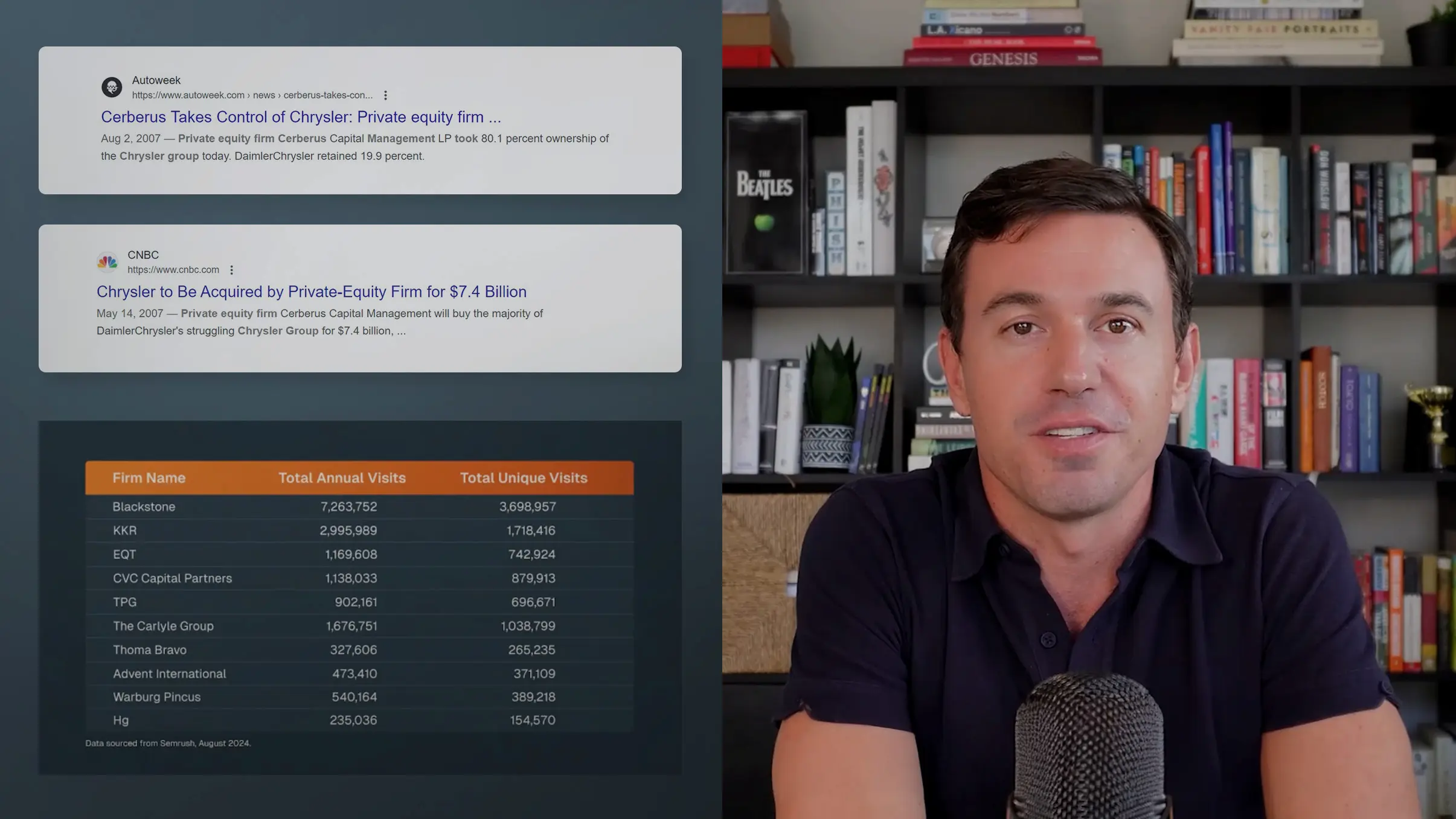
And then there’s Cerberus, the three-headed dog guarding the gates of hell. To this day, I can’t hear that name without flashing back to seventh-grade Latin class, where our textbook introduced “Cerberus the dog” before I knew anything about private equity. There are exceptions to every rule, but that one remains… a choice.


The Decline of the Eponymous Firm

Over the past 10 or 15 years, we’ve seen a clear shift away from firms named after their founders. The reason is obvious.

First, it reads as egotistical. Most leaders don’t want to send that signal to their teams, their LPs, or the market.

Second, longevity. When a firm’s name is tied directly to one or two people, there’s an inevitable cognitive dissonance when those people retire, move into a chairman role, or pass away.

You can see the evolution all over the industry. The Jordan Company becomes TJC. Thomas H. Lee becomes THL. Kohlberg Kravis Roberts, thankfully, becomes KKR. These firms have the scale and history to make the acronym work. The rest of us would probably disappear into the alphabet soup.

Amusingly, even Blackstone is now often referred to simply by its ticker, BX. Maybe that’s the end state of all successful firms: eventually you become two letters and a stock price.


Why Naming Projects So Often Disappoint

Darien Group has been involved in probably a dozen significant naming projects over the years — usually for new firms or new funds. In the earlier days, we’d bring in professional naming agencies. These were the real deal: they’d worked with major corporations, had linguists and cultural researchers on staff, and could talk for hours about phonemes, etymology, and word shape.

And yet, even with all that science behind them, the results were often unsatisfying. The client would nod politely, we’d circulate long lists of “rationales,” and somehow everything felt off. Half the time, we ended up reverting to something the client came up with themselves — or something that emerged spontaneously during a call.

Which brings me to one of my favorite examples.


How “Heartwood” Was Born

In the mid-2010s, we worked with a private equity firm that had been operating since the early 1980s. Its original name, Capital Partners Incorporated, had been perfectly serviceable for its era. But by 2015, it had the feel of something chosen quickly at formation and never revisited — more generic than intentional, and out of step with what the firm had become.

The firm needed to rebrand. Its differentiator was in how it structured acquisitions: rather than loading companies with five to seven turns of debt, it preferred two or three, sharing more cash flow with management and investors. That was a selling point for founder-led and family-owned businesses.

We hired a professional naming agency to help, and a month in, the client still hated every option. On a Friday morning before a call with them — where we had nothing new to present — I started thinking about metaphors for solidity. I googled “diagram of a tree trunk.”

It turns out a tree has five concentric layers. The innermost, densest layer is called heartwood — the core that provides the trunk’s strength.

Fifteen minutes later, we had a name that perfectly captured the firm’s philosophy: structural strength at the center, reliability for both investors and management teams. It wasn’t flashy, but it had integrity and metaphorical resonance.

That’s usually what works.


The Illusion of “Scientific” Naming

The irony of the naming industry is that it pretends there’s a formula. There isn’t.

Even with today’s tools, ChatGPT included, you can generate a hundred plausible names in five minutes. The trick is not generation; it’s judgment. Which one feels like your firm? Which one you can say out loud without wincing? Which one will sound credible in a partner meeting or on a pitch deck?

At the end of the day, I agree with the Blackstone anecdote. The name becomes whatever meaning the firm builds into it. You can have the greatest name in the world, but if you underperform, it will eventually sound cheap. You can have a pretty bad name and, if you succeed, it will start to sound timeless.


What Actually Matters

So, what makes a name good?

  1. Ownability. It has to be available — trademark, URL, and search results. One new client we worked with launched a site and was baffled that they weren’t showing up on Google. The problem? Their name was nearly identical to a much larger financial institution overseas. That’s like naming yourself “Nike Equity” and expecting to rank.
  2. Appropriateness. The tone should match your audience. If you’re a middle-market industrial investor, a name like “Quantum Axis Capital” probably oversells the sophistication. Conversely, “Smith Capital” underplays it.
  3. Comfort. You have to like saying it. You’ll say it thousands of times a year.

Everything else is taste.


The Role of Brand and Narrative

The reason names still matter is that they’re shorthand for a broader story. A name opens the door; the brand narrative walks people through it.

Choosing a name is an act of positioning; it hints at personality, time horizon, and risk tolerance. A strong brand and narrative make that positioning explicit. That’s what differentiates one manager from another when everyone is competing for the same dollar of capital.

Brand, narrative, reputation, and story are all tools for outcompeting in a crowded market. You can’t own a better Greek god, but you can own a clearer message.


A Totem, Not a Strategy

I’ve come to see naming as a strangely emotional process for clients. It’s personal. It feels like destiny. But really, it’s just the first line of a longer story.

A name is a totem, not a strategy. Pick something you can own, pronounce, and stand behind. Make sure it’s not already taken. Beyond that, stop agonizing.

Because if your firm performs well, the name will come to mean excellence. And if it doesn’t, even the perfect name won’t save you.

Brand Strategy
Private Equity

More Than a Logo

When people hear “rebrand,” they often think in consumer terms: a new name, a new logo, a new tagline. In private equity, it is rarely that dramatic. A rebrand is less like changing your identity and more like building a new house. By contrast, a refresh is redecorating the house you already have.

The real question firms wrestle with is: when do we need a new house, and when is a new coat of paint enough?


The Five-Year Rule

As a baseline, private equity firms should expect to rebrand every five years. Time alone is enough to date a brand. A website built in 2018 looks and feels like 2018, even if the design was strong at the time. Typography, imagery, messaging style - these all evolve.

The quality of the original build matters just as much. Many firms launched their first brand around Fund I or Fund II with understandable budget constraints. They often chose inexpensive vendors. The result was a brand that was functional but not durable: inconsistent elements, no real system, limited scalability. As those firms grow, the seams begin to show.

For them, the clock runs faster. A brand built on a shaky foundation simply will not hold up for a decade.


Strategic Triggers for a Rebrand

Most often, rebrands are driven not just by time but by strategy. When the fundamentals of the firm change, the brand must follow.

Examples include:

  • Leadership transitions. New partners join, senior figures retire, succession reshapes the story.
  • Fund proliferation. A single flagship vehicle grows into a suite of strategies: credit, growth, co-invest, secondaries.
  • Geographic expansion. A firm that once raised solely in North America now brings in capital from Europe, Asia, or the Middle East.
  • Sector evolution. A healthcare investor adds technology, or an industrials fund expands into infrastructure.
  • Investor mix. Firms historically focused on institutional LPs begin targeting wealth managers or retail capital.

That last shift - into wealth and retail - is the most urgent driver today. Brands built for institutional investors are designed to be formal, corporate, even intentionally unapproachable. They signal gravitas. By contrast, wealth managers and retail investors require the opposite: clarity, accessibility, human tone. Concepts must be explained in plain language. Educational resources become essential.

Sometimes this means launching a separate website for retail distribution. But even then, the core brand has to flex to accommodate. A firm cannot present as ivory tower in one channel and approachable in another without creating tension.


Refresh as Best Practice

If rebrands are the new house, refreshes are the redecorating. They should happen every year.

A refresh is not about reinventing your story - it is about keeping the story sharp and the design current.

A proper refresh includes:

  • Content audit. Review every section of the site for accuracy and alignment with strategy.
  • Visual updates. Rotate photography, add new illustrations or video, update accent colors.
  • Structural tweaks. Add a page for a new strategy, simplify navigation, improve bios.

The payoff is twofold. First, the site feels current to external stakeholders. Small changes - new imagery, fresh graphics, updated layouts - signal vitality. Second, it prevents the painful accumulation of misalignment. Firms that refresh annually never wake up six years later realizing they have three new funds and no coherent way to present them.


The Cost of Brand Drift

When firms skip refreshes and delay rebrands, brand drift sets in. Templates fray. Messaging fragments. Teams invent their own workarounds. The further the brand drifts from the firm, the harder and more expensive it becomes to fix.

There is also a cultural cost. Outdated brands create inertia. They feel stodgy, out of step, unpolished. Employees - especially younger professionals - notice. They hesitate to share the site or materials. By contrast, when firms launch refreshed brands, we consistently see an internal surge of pride. People are energized. They feel their firm looks the part.

That lift matters. Culture is reinforced or undermined by how a firm shows up to the world.


Refresh vs. Rebrand: A Framework

To simplify the decision:

  • Rebrand when the fundamentals have changed (strategy, structure, investor base, leadership) or when more than five years have passed since the last overhaul.
  • Refresh every year, regardless, to keep the story sharp and the design modern.

The two approaches reinforce one another. Refreshes extend the life of a brand and delay the need for a full rebrand. Rebrands reset the foundation when incremental updates are no longer enough.


Conclusion: Keep Pace With Reality

A private equity firm’s brand is not static. It is a living system, reflecting strategy, culture, and ambition. When firms let that system stand still while everything else evolves, they create misalignment that becomes costly to repair.

The smarter path is rhythm: annual refreshes to stay sharp, paired with rebrands every five years or when strategy demands it. Firms that follow this cadence avoid both the risk of neglect and the expense of overcorrection.

In a market where LP expectations, investor channels, and transaction dynamics are all shifting quickly, brand alignment is not a luxury. It is the foundation for credibility.

Private Equity
Websites
Brand Strategy

A Frozen Moment in Time

Most private equity websites are treated as static projects. Once launched, they are left to age while only the most obvious updates - press releases, portfolio companies, team members - get added. The result is a site that becomes a frozen moment in time. The firm evolves, but the website does not.

The real cost of letting a site grow stale is not always obvious. Outdated design, stale messaging, and misaligned positioning quietly erode credibility. And now, with LLMs reshaping digital visibility, the stakes are higher than ever.

Here are three major risks of letting a website age without meaningful refresh.


1. Design and Message Trends Move On Without You

A five-year-old website will look like a five-year-old website. That does not mean it will look terrible - if it was done well, it may still hold up - but design cues age quickly. Typography, layout, and imagery all carry time stamps.

The same is true of messaging. A site crafted in 2017 often reveals its age in tone and emphasis. Older sites tend to read like pitchbooks repurposed for the web, written almost entirely for LP audiences. Today, best practice is different: private equity websites are first impressions for sellers, management teams, and intermediaries just as much as they are for LPs.

Other motifs give websites away instantly. Glossy team photos used as homepage hero images, or worse, stock photos of businesspeople in conference rooms - these were everywhere five years ago. Today, they look dated. More recently, the “management-friendly” positioning surge has begun to feel tired as well. A claim repeated by everyone is not a differentiator; it is white noise.

Firms that fail to update fall behind industry norms, and their sites signal stasis rather than vitality.


2. The Firm Evolves, the Site Stands Still

Even more costly than design drift is the gap between what the firm has become and what the site still says.

Firms refine sector strategies, launch new funds, expand geographically, and change investor mixes. Operations teams grow, ESG programs take shape, succession brings new leadership forward. Yet the website often remains frozen, updated only at the margins.

The further the site drifts from the firm’s reality, the more damage it does:

  • It creates a credibility gap in the market.
  • It forces a radical, expensive overhaul when the firm finally decides to catch up.
  • It diminishes internal pride, making employees feel their firm is dated or out of touch.

We have seen firsthand how invigorating a new brand can be internally. Younger professionals in particular respond with energy and pride when a refreshed website launches. By contrast, sitting on a seven-year-old brand sends a signal of inertia.


3. Digital Visibility Now Means LLM Readiness

For years, “SEO and digital visibility” was the main argument for keeping sites current. But today the challenge has shifted. The question is no longer just whether your site ranks in Google. It is whether your firm surfaces in LLM-driven queries across platforms like ChatGPT.

This is a frontier where most firms are unprepared. Technical optimization for LLMs is still a developing field. But the implications are clear: firms that do not adapt will lose visibility as search shifts away from static engines and toward AI-driven answers.

The good news: some of this can be retrofitted onto an existing site. The better news: firms that are building new sites now have the chance to bake in LLM readiness from the start. That means:

  • Identifying the queries you want to show up in.
  • Creating authoritative content that LLMs can surface as reliable.
  • Structuring metadata and site architecture with this future in mind.

At Darien Group, we have invested in technical expertise specifically for this challenge. It is not just about traditional SEO anymore - it is about being discoverable in the next era of digital search.


The Hidden Cultural Cost

There is also a softer, but very real, cost of letting branding age too long: culture. Stale, stodgy design signals stagnation. It turns off younger recruits. It makes employees less proud to share the firm’s website. By contrast, a refreshed identity can energize teams and remind them that the firm is dynamic, modern, and growing.


Conclusion: Aging Quietly Is Still Aging

Letting a private equity website age may feel harmless. After all, if the numbers are current and the team page is up to date, what is the harm? The harm is threefold: design and message trends that make you look behind the times, a growing misalignment between your firm and your site, and a looming challenge around LLM visibility that is already reshaping digital discovery.

The website is not just another marketing tool - it is the most public reflection of who you are. Letting it drift out of sync is more than cosmetic. It is a strategic liability.

Private Equity

A Milestone in Our History

Darien Group has built many proof points over more than a decade in business. The one we are most proud of - and the one that sits prominently on our homepage - is this: we have worked with 42 of PEI’s Top 300 private equity firms. That is close to 15% of the list.

It is not just the number that matters. Many of the PEI 300 are in geographies where we do not operate (Asia, in particular). Many others skew toward venture capital, which is less aligned with our specialization. Against that backdrop, having worked with more than 40 of the world’s largest private equity managers represents real exposure to the top echelon of the industry. It is a milestone we would not have imagined when we started in 2015.


Lessons That Are Humbling, Not Formulaic

What we have learned from this body of work is not a neat set of best practices. There are a few reasons why:

  1. The assignments vary widely. For some firms we have executed full rebrands; for others we have delivered targeted investor-relations support.
  2. The work spans a long period. Some projects were seven years ago, and both the firms and the market have changed dramatically since then.
  3. Many engagements were team-specific. Even at firms in the top 10 by AUM, our assignments were often with individual product teams, not always centralized marketing.

Because of that, the lessons are more emotional than semantic. The first is humility. It is humbling to reflect that since founding Darien Group in 2015, we have had the chance to contribute to the efforts of many of private equity’s leaders. The second is diversity. No two firms are alike, even when they appear similar on paper.


Size Does Not Equal Sophistication

One of the clearest takeaways is that institutionalization cannot be assumed based on size. We have worked with managers in the top 100 of AUM who are impressively disciplined in how they run projects. We have also seen firms of equal stature that are clumsy, inefficient, and internally misaligned - so much so that you wonder how they execute on the scale they do.

The explanation is often that branding and communications are simply not core to the investing craft. A firm can be extraordinary at sourcing deals and generating returns while being unsophisticated at marketing. We have encountered firms that are woefully understaffed on the communications side, or whose instincts around positioning are outdated and ineffective.

Size, brand recognition, and AUM are not reliable indicators of branding capability.


Public vs. Private: Different Operating Models

Another striking difference is between publicly traded firms and their private counterparts. Public firms operate much more like large corporations. Processes are centralized, approvals are layered, and branding projects often happen within product-specific silos rather than at the corporate level.

By contrast, working with a 15-person team that runs a single fund inside a larger manager feels like working with a boutique. There may be brand standards to navigate, but the culture and pace resemble a small firm more than a large institution.


Culture Is Revealed in the Process

Culture is one of private equity’s favorite talking points. Almost every firm describes itself as “management-friendly” or “collaborative.” But the reality shows up less in words and more in process.

The clearest example: when senior leadership deputizes a working group to run a branding project, vows to let them make decisions, then parachutes in at the end to change everything. This is more common than it should be. The result is wasted time, strained relationships, and a worse outcome.

Firms with clean reporting structures and real delegation thrive in branding work. Firms with muddled processes do not. Culture is visible in how projects actually get done.


The Rise of the CMO

Over the last decade we have seen a clear shift at the upper end of the market: the introduction of real CMO-level resources. Traditionally, branding and marketing were owned by the most senior investor-relations professional. Increasingly, larger firms are bringing in executives with backgrounds in corporate marketing, digital, or advertising.

This has two effects. First, it reduces the number of opportunities available to agencies like ours. A high-powered CMO may already have trusted design firms and may not need our translation between private equity speak and brand language. Second, it raises the bar for the industry. We welcome that. Professionalizing marketing is good for private equity, even if it narrows our potential client pool.


From Rebrand Wave to Inertia

Between 2017 and 2022, private equity went through a major rebrand cycle. Many of the industry’s largest firms refreshed their identities and digital platforms. Darien Group pitched for most of them and won many. That wave has now subsided.

The reasons are familiar:

  • Higher interest rates and slower monetization have reduced appetite for discretionary projects.
  • Many firms are sitting on brands launched just a few years ago.
  • Industry inertia tends to default to five-year cycles.

But inertia is not without risk. Constituents evolve faster than brand cycles. LPs, sellers, and talent expect fresher communication. Firms that rely on legacy reputations or outdated brands will eventually feel the consequences.


Crawl, Walk, Run: A Framework for Maturity

One of the metaphors we often use is “crawl, walk, run.” It applies well to where the industry is today.

  • Crawl: basic materials are in place, numbers are current, team members are updated.
  • Walk: a consistent program exists - annual website audits, updated visuals, refreshed positioning.
  • Run: a true content engine is in motion, feeding multiple channels with thought leadership, digital campaigns, and ongoing visibility.

The leaders in the space are running. Oaktree is known for Howard Marks’ memos. KKR has built a robust thought-leadership platform. In the middle market, Trivest sets the standard in email marketing, while Middle Ground has become prolific in content creation.

These efforts did not appear overnight. They required years of steady investment


New Directions in Communication

What is most encouraging is the shift toward more frequent, targeted, and creative communication. Firms are recognizing that:

  • Press releases and legacy media are not enough.
  • Constituents want regular visibility, not just episodic updates.
  • New platforms - from LinkedIn to podcasts - are where mindshare is being built.

We now see prominent leaders from prominent firms appearing on both large and niche podcasts. We see firms experimenting with promoted content and digital campaigns. The industry is beginning to acknowledge that awareness and persuasion look very different in 2025 than they did even five years ago.


The Bigger Picture: Transformation Ahead

All of this is happening against the backdrop of industry change:

  • The concentration of AUM at the largest firms.
  • The democratization of private investment.
  • Evolving expectations from LPs and other stakeholders.

We believe the next five years will bring more transformation to private equity branding and communications than the last 25. It is both a moment of uncertainty and a moment of opportunity.


Our Takeaway From 42 Firms

What does it mean to have worked with 42 of private equity’s leading managers? Two things stand out:

  1. No two firms are the same. Size, reputation, and AUM tell you very little about culture, process, or sophistication.
  2. The landscape is shifting rapidly. Professionalization, content marketing, and digital visibility are reshaping what branding looks like in private equity.

For Darien Group, the milestone is not just a proof point. It is a perspective. We have seen how differently firms operate, how quickly the environment is changing, and how urgent it is for managers of all sizes to adapt.

The next stage of private equity branding will not be defined by one-time rebrands or static websites. It will be defined by ongoing visibility: thought leadership, digital campaigns, content engines, and new channels where constituents are paying attention. The firms that succeed will be the ones that start building those muscles now.

The best time to invest in that kind of program was two years ago. The second-best time is today.

Private Equity
Websites

Competing Firms Take a Different Path

Many agencies that market themselves as private equity branding specialists actually focus on portfolio company work. Some do it exclusively, some balance it alongside GP/LP communications, and others dip into it occasionally. Their model is to support rebrands of acquired businesses - often 10 to 15 companies over the life of a fund. It is a different business model, and while there is nothing inherently wrong with it, it is not ours.


Our Focus Is the Investment Manager

At Darien Group, our expertise lies in the investment management space itself: the branding, messaging, and digital platforms that connect general partners with limited partners and other transaction audiences. We believe branding is industry specific, and that powerful branding depends on deep understanding of a sector’s stakeholders.

This is where we add the most value. We already know the private equity audience set inside and out - investors, sellers, management teams, intermediaries, and recruits. Because we know them, we can move straight to the nuances, differentiators, and storylines that will resonate. That accumulated expertise is the return on more than a decade of exclusive focus.


Why We Say No to Portfolio Company Work

It is not that we have never been asked. Occasionally, a client has approached us to support a portfolio company rebrand or a niche identity project. And when the request is something light and design-oriented, we have obliged. But the reality is that rebranding a SaaS provider, a manufacturing business, or a marine parts distributor requires different knowledge and skill sets.

At one point, a client invited us to build an e-commerce site for a portfolio company selling commercial boat components. Our response was candid: “This is not what we do, and you do not want us learning on your dime.” That project needed an agency that specializes in e-commerce and industrial products. Our value is not in moonlighting as generalists but in sticking to our knitting.


Where We Do Choose to Innovate

The areas where we will learn, experiment, and push forward are the ones that converge with our core sector. As private equity firms lean into Google Ads, promoted LinkedIn content, and LLM optimization, we are combining our sector mastery with new technical capabilities. The difference is that these evolutions are still directly tied to investment manager communications, where we can apply our foundation of experience.

We will not become tourists in the industries in which our clients invest. Just as there are agencies that specialize in healthcare, technology, and industrials, we exist for private equity. That exclusivity is what enables us to serve our clients with precision and conviction.


Conclusion: Specialization as a Differentiator

By declining portfolio company work, we reinforce our focus where it matters most: GP/LP communications and the broader private equity ecosystem. This specialization is not a limitation; it is a differentiator. It ensures that every engagement leverages years of sector knowledge and delivers immediate value, rather than starting from scratch. For firms seeking an agency partner who already understands the nuances of their world, that distinction makes all the difference.

Private Equity
Websites
Brand Strategy

Websites Are Not Static Publications

Most private equity firms treat their website like a book: once it is “published,” they only update the obvious things - press releases, portfolio companies, team members, and numbers. But a website is not a static artifact. It is a living representation of the firm, and it should evolve as the firm evolves. Making meaningful edits is a minor investment of time and budget compared to the original build. Yet too many firms fall into the trap of thinking the site is “done” until it is time for a major overhaul.


The Website as a Central Touchpoint

Private equity firms produce a range of materials, but most are audience-specific:

  • Seller-facing decks
  • Intermediary pitch materials
  • Management team onboarding resources
  • Investor updates and reports
  • Recruiting collateral

The website is the one place where all audiences converge. It is the central reference point for the firm’s story. If the website lags behind the actual trajectory of the business, it undermines credibility. Journalists, intermediaries, and prospective hires often pull directly from a firm’s site. If what they see does not match reality, the impression is that the firm is behind the curve.


Annual Audits Prevent Narrative Creep

Every year, most firms launch new initiatives: sector expansions, new fund vehicles, ESG commitments, strategic partnerships, philanthropic programs. These changes should be reflected in the firm’s public narrative. Without regular review, “narrative creep” sets in, and the messaging on the site no longer aligns with what the firm is actually doing.

Best practice is to conduct an audit at least once every 12 months (18–24 at the outside). By contrast, most firms wait five to eight years between redesigns, which is far too long. At minimum, firms should revisit:

  • Content and copy: Does the site reflect your current strategy, sector focus, and offerings?
  • Structure: Do you need a new page or section for sustainability, a credit platform, or a new fund line?
  • Metadata: Are you optimized for search engines and LLMs around new priorities?

Small Visual Changes Have Outsized Impact

A refresh does not mean rebuilding the site from scratch. Small design updates can dramatically change perception. Swapping hero images, updating accent colors, or refreshing photography can make the site feel new without touching architecture or code. Done every 12–24 months, these tweaks signal momentum and vitality.


Make It a Program, Not a Project

Rather than waiting for a full redesign, firms should build an annual review into their calendar - perhaps in the summer when deal flow tends to slow. This is also a chance to gather input internally:

  • Could the deal sourcing team use a downloadable resource?
  • Would a new section help recruiting?
  • Are there low-hanging functional upgrades that could increase value?

Treating the site as a program, with recurring reviews and light updates, keeps messaging aligned, aesthetics fresh, and functionality responsive to internal needs.


Conclusion: Capitalizing on Momentum

Your website is not just another marketing asset. It is the single most public expression of your firm’s strategy, culture, and evolution. An annual refresh - whether content, design, or functionality - ensures it keeps pace with the reality of the firm. Private equity firms that treat their site as dynamic, rather than static, maintain sharper alignment with their stakeholders and stand out in a crowded capital-raising environment.

Private Equity
Content Marketing

Video in private equity still sits in a weird place. Everyone knows it’s powerful. Everyone knows it’s increasingly expected. But most firms still don’t know exactly how to use it—or how not to. As a result, a lot of GPs end up investing in video without a clear strategy, or avoiding it altogether because the bar feels too high.

But the firms that get it right are doing something simple: they stop trying to make it about themselves. The most effective video content in private equity is built around third-party validation. Founders. Sellers. Management teams. Portfolio executives. The message isn’t “we’re great.” It’s “look at what we did together.”

Below, we’ve outlined what works, what doesn’t, and how to actually think about video as part of a broader brand system—not just a one-time asset.


What Works: Video Types That Actually Deliver

Founder and seller interviews

There is nothing more effective than hearing directly from a founder who sold their company and had a good experience. That’s the audience most GPs care about convincing, and that’s the voice that carries the most weight. You’re not telling people you’re founder-friendly. You’re showing it.

These videos also serve a secondary purpose. They reduce anxiety. They help humanize what can feel like a cold, transactional process. When someone is evaluating whether to sell their business to a PE firm, seeing a peer speak candidly about the experience builds a level of comfort that no pitchbook can offer.

Portfolio company spotlights

These work for every audience. They show what you do post-close. They demonstrate progress. They help LPs visualize impact. They give management teams something to be proud of.

In real estate, the use case is obvious—think before and after transformation, time-lapse, or walkthrough footage. But in any sector, there’s value in putting a camera on the work itself. It’s a simple way to say: “Here’s what your capital helped us do.”

AGM and investor-facing content

This is where video has already found traction. A lot of larger firms already do it. And for good reason. AGMs can be heavy on slides and light on energy. A short video segment—whether it’s a site visit, a team feature, or a company update—can make the experience feel much more grounded.

Fund strategy explainers (in select cases)

Most firms don’t need these. If you’re doing middle-market buyouts or core-plus multifamily, your audience probably knows the model. But if you’re introducing a truly new asset class or an unfamiliar strategy—like Ranchland Capital Partners did—a strategy video can be a smart tool for educating both institutional and HNW investors.

Recruiting or internal culture videos

These are optional. If it’s authentic to the firm and there’s a real use case, great. But not every team needs to be making day-in-the-life content. It’s a nice-to-have, not a core deliverable.


What Doesn’t Work: The Usual Mistakes

“About the firm” reels

These often miss the mark. The messaging is self-promotional. The production is too long. And the content becomes outdated the moment someone on-camera leaves the firm.

Unless it’s executed with serious editorial talent, this type of video tends to feel like a corporate history project, and not in a good way.

Trying to be slick without the budget

High production value is a good thing. But if you’re trying to look like McKinsey and you’re spending $8,000, the gap will be obvious. That hurts more than it helps.

In our experience, there’s a sweet spot for two-day shoots:

  • $50–75K all-in for high-quality production, editing, and light travel
  • Under $10K is too little
  • Over $200K is too much for most firms
  • Most of the cost is per-day shooting and post-production

If you want to do it right, plan accordingly.

Making it about the firm instead of the audience

This is the classic mistake. The video starts and ends with “we’re great” and never once addresses what the viewer actually cares about. Whether you’re talking to investors or founders, the point is to show what it’s like to work with you—not to recite your firm’s values.

Poor integration with your other materials

If a video looks four years newer than your website—or worse, four years older—it’s going to stand out in the wrong way. It doesn’t need to match your pitchbook visuals, but it should speak the same language. Consistency matters.

Bad production quality

Same rules as your website, your pitchbook, or your branding. If it’s not top quartile, it’s a liability. Berkshire Hathaway can get away with a bare-bones website. You can’t.


Scripted or Unscripted? It Depends

We’ve done both. I’ve done both. The videos on Darien Group’s site are fully scripted—I wrote the copy, practiced it, and shot it myself. It works because I knew how to make it sound like I was speaking, not reading. But that’s not something most clients are comfortable with or good at.

On the flip side, we’ve run plenty of unscripted shoots where we gave interview questions ahead of time, and some people absolutely nailed it. Others froze.

Scripting tends to be cleaner, but risks sounding stiff. Unscripted footage can be more authentic, but takes more editing and has less control. In the end, performance is what drives everything. The right approach depends on the speaker.


How Video Should Fit Into the Brand System

Historically, firms have treated video like a “hero asset.” One polished clip. For the homepage. Evergreen. Left untouched for four years.

The better approach is to treat it as an ongoing program. One that feeds your website, your AGM, your LinkedIn strategy, and your pitch materials. It doesn’t have to be constant. But it should be annual. You shoot two or three pieces each year. You build a library. You refresh and retire content over time.

That’s the long-term advantage. Video isn’t a fix. It’s a competency.
Just like branding itself, the goal is to develop the muscle. Not to bolt something on when it feels like a problem. You don’t go to the gym because you’re injured. You go because fitness compounds over time.

The firms that understand that—the ones who treat brand and content and video as strategic levers, not repair jobs—are the ones who will look differentiated two years from now. Everyone else will be playing catch-up.

Private Equity
Content Marketing

The State of Play: Everyone’s Posting, But No One’s Saying Much

Scroll through LinkedIn and you’ll see a clear pattern in how private equity firms use the platform. Most posts fall into one of three categories:

  1. Announcements: New acquisitions, exits, fundraises, office openings, or hires—often just press releases pasted into a post with a short caption.
  2. Event snapshots: Team dinners, off-sites, and conferences. “Great to see everyone. Looking forward to what’s ahead.”
  3. Media reposts: A founder was quoted somewhere. A partner appeared on a panel. Someone wrote an article. The firm shares the link, maybe adds a sentence, and hits publish.

That’s most of what’s happening. And while there’s nothing wrong with any of it, none of it is especially memorable or differentiated. It’s LinkedIn as a corporate Instagram feed. A kind of passive visibility, but not much else.


Why the Industry Is Holding Back

There are good reasons private equity firms aren’t flooding LinkedIn with commentary. The communications function is usually tight. Most people at the firm know they can’t just post freely—they’re representing the brand, and they’re cautious.

Then there’s the cultural side. The industry has long defaulted to silence. When you think of “private equity thought leadership,” you probably think of Howard Marks at Oaktree. His memos became legendary, but they were something very specific: market commentary. Forecasts. Interpretations of macroeconomic cycles. That’s a different beast.

Ray Dalio does this now too. Barry Sternlicht goes on CNBC and gives his take. But those are rare examples. Most firm leaders aren’t putting out public views on where the market is headed. And that’s completely understandable. That kind of content has to come from the top, and it involves real reputational risk. The audience is wide, the stakes are high, and the margin for being wrong is thin.

So the bar has stayed high. The industry has stayed quiet. And most firms have avoided public platforms entirely, except to share formal updates or safe announcements.


The Missed Opportunity: Don’t Be a Thought Leader. Be a Journalist.

Most firms don’t need to be contrarians or forecasters. They just need to do a better job documenting what they already know.

There’s no shortage of activity inside a private equity firm:

  • Acquisitions and add-ons
  • Geographic expansion
  • Portfolio company growth
  • Operational improvements
  • Key hires and leadership transitions

But almost none of that shows up on LinkedIn in a way that builds brand equity. When it does, it’s usually a one-liner or a recycled quote from a press release.

Instead of trying to be pundits, firms should act more like journalists of their own work. Surface what’s already happening. Share the stories behind the updates. Give the audience a little more context, texture, and proof.


What That Could Look Like

  1. Five questions with a portfolio executive
    A short, repeatable interview format that shows the people behind the businesses. Share their perspective, how they think about growth, what they’ve seen since partnering with the firm.
  2. Milestone breakdowns
    When a company opens a new location or launches a new service, explain why it matters. Keep it short, but informative. It helps reinforce strategy without bragging.
  3. Portfolio company spotlights
    Pick one company and write three sentences in plain language about what they do and why they fit the thesis. Not a bio. Not marketing copy. Just clarity.
  4. Better use of visuals
    Skip the dinner photos. Instead, use real photos from operations, team events inside portfolio companies, or even abstract visuals that tie back to the firm’s identity. If your sector isn’t visually interesting, be deliberate about tone and styling.

The goal isn’t volume. It’s intention.


You Don’t Need to Be Flashy. You Just Need to Be Clear.

The firms that win on LinkedIn in 2025 won’t be the loudest. They’ll be the ones whose content matches what they claim to do.

Operational involvement doesn’t mean anything if no one can see it. If your differentiator is your depth with founders, your portfolio growth strategy, or your sector insights, you need to show it. Not once a year. Not as a footnote. Consistently and clearly.

That’s not risky. That’s smart brand building.

And it’s what the best firms are starting to figure out.

Private Equity
Messaging & Positioning

What Is AI-Optimized Content for Private Equity Firms?

AI-optimized content for private equity firms is material designed to be understood, indexed, and surfaced by large language models (LLMs) such as ChatGPT, Claude, and Gemini. Unlike traditional SEO copy that chases keywords and rankings, AI-optimized content anticipates natural-language questions, provides clear and verifiable answers, and conveys a firm’s strategy, track record, and differentiators in a format AI systems can easily interpret. For private equity executives, this shift transforms content from a marginal marketing exercise into a strategic visibility asset.


Why Does AI-Optimized Content Matter Now?

For decades, SEO was largely irrelevant in private equity because sellers did not search for firms on Google and LP relationships formed offline. LLM adoption has changed that dynamic. Stakeholders—ranging from founders and registered investment advisors to family offices and intermediaries—are now asking AI tools direct questions about market players, sector focus, and founder-friendliness. If a firm has not published relevant, substantive content, it risks invisibility in AI-generated responses that increasingly influence decision-making.


How Do LLMs Change Content Discovery?

LLMs differ from search engines by delivering direct answers rather than lists of links. A founder might ask, “Which private equity firms specialize in RIA roll-ups?” or “Who has done deals in niche manufacturing?” If a firm’s website contains narrative, example-rich explanations that LLMs can parse, that content is more likely to be cited in the answer. This advantage extends beyond deal origination—AI-enabled discovery will also influence LP validation, banker recommendations, and competitive positioning.


What Content Formats Are Most Effective for LLM Visibility?

Content that is educational, narrative-driven, and free from excessive marketing language performs best for LLM comprehension. Case studies, founder stories, sector overviews, and transparent explanations of investment philosophy are high-value formats. These pieces should demonstrate how the firm operates, the types of companies it partners with, and the results achieved. Unlike time-sensitive market commentary, evergreen narratives maintain relevance, ensuring that LLMs continue to surface them long after publication.


How Should Private Equity Firms Balance Specificity and Discretion?

The most credible AI-optimized content avoids vague generalities and focuses on tangible details. Instead of simply claiming to be “founder-friendly,” firms should illustrate that claim with actual portfolio experiences, leadership testimonials, or concrete deal structures—while omitting sensitive financial or competitive intelligence. Specificity builds trust with both human and AI evaluators, helping to differentiate the firm from competitors who rely on broad, interchangeable statements.


Why Is AI Content Readiness a Strategic Investment?

Even if immediate AI mentions seem optional, developing AI-optimized content builds long-term marketing resilience. Firms that invest now create a foundational narrative they can scale quickly when market conditions shift, whether due to changes in LP composition, competitive deal processes, or public exposure. As with the pivot to digital presence during the COVID-19 pandemic, those with a pre-existing content infrastructure will adapt faster and with greater credibility than those starting from zero.


How Can Firms Begin Creating AI-Optimized Content?

Private equity firms do not need to become media companies to succeed. The starting point is publishing one or two well-crafted pieces per year that clearly state what the firm does, who it serves, and how it operates. Authenticity matters more than volume or polish. By building this baseline and maintaining consistency, firms ensure that LLMs can associate their name with specific capabilities, sectors, and cultural attributes—strengthening visibility and influence in the evolving digital diligence process.

Private Equity
Websites
Design

What Is a Private Equity Website?

A private equity website is a digital platform that communicates a firm’s identity, investment approach, and track record to multiple stakeholder audiences—including limited partners (LPs), sellers, management teams, and intermediaries. In today’s market, the website functions as an early-stage diligence tool, shaping perceptions before any formal conversations occur. It is no longer a static “about us” page; it is a brand-defining, credibility-testing, and deal-filtering mechanism that operates continuously.


How Do Websites Influence Early-Stage Diligence?

Stakeholders now form initial judgments within the first 90 seconds of visiting a private equity website. LPs validate the messaging they have heard from placement agents, assessing whether the site reflects institutional discipline. Sellers evaluate whether the firm understands their business and has executed relevant deals. Bankers quickly determine whether the firm is a qualified buyer for a transaction. These quiet but decisive impressions directly affect whether opportunities progress or stall before a pitch deck is even requested.


Why Must Websites Address Multiple Audiences?

A modern private equity website must balance the expectations of distinct audiences without diluting the firm’s message. Historically, sites catered primarily to LPs, but market dynamics now place equal weight on seller and intermediary perceptions. LPs seek clarity and professionalism; founders look for transparency and cultural compatibility; bankers want quick, decisive signals about deal fit. Effective sites address these needs simultaneously, ensuring each visitor finds relevant proof points while the overall brand voice remains consistent.


What Design and Content Choices Impact Credibility?

Both visual and conceptual factors influence how stakeholders interpret a private equity website. Outdated layouts, generic stock imagery, or vague copy undermine credibility. Conversely, intentional design, sector-relevant deal examples, and clear articulation of value proposition strengthen trust. Omission can be as damaging as poor execution—absence of deal descriptions, culture narratives, or leadership visibility leaves visitors with unanswered questions about the firm’s capability and character.


How Does a Website Serve as a Brand Platform?

When aligned with a coherent brand strategy, the private equity website becomes the central reference point for tone, design, and messaging across all firm communications. A well-crafted site anchors visual identity, establishes a consistent narrative structure, and reinforces positioning in every investor presentation and marketing touchpoint. Even seemingly minor elements, such as the homepage tagline, carry weight—making thousands of impressions over time and serving as a shorthand for the firm’s strategic focus.


Why Is Clarity More Valuable Than Conformity?

Generic slogans like “Building great businesses” fail to differentiate in a competitive market. The most effective private equity websites prioritize specificity and audience relevance over formulaic language. In 2025, a functional online presence is not enough; the site must clearly communicate who the firm is for, the sectors it serves, and the outcomes it delivers. This clarity accelerates trust-building, improves stakeholder alignment, and positions the firm as a preferred partner in both capital-raising and deal execution.

Private Equity
Messaging & Positioning

What Is Audience-Focused Messaging in Private Equity?

Audience-focused messaging in private equity is the strategic practice of tailoring a firm’s communications to distinct stakeholder groups, recognizing that each has unique priorities, motivations, and decision-making criteria. Rather than broadcasting a generic message to “everyone,” this approach defines who the firm is for, clarifies the value it delivers, and ensures that investors, sellers, management teams, and intermediaries each see their own needs addressed. Precision in messaging not only improves understanding but also strengthens credibility in competitive markets.


Why Is Stakeholder Segmentation Essential for Messaging?

Private equity firms interact with multiple, diverse audiences. On the investor side, limited partners (LPs) range from pension funds and endowments to family offices and high-net-worth individuals, each with varying focus areas such as ESG, liquidity, or return profiles. On the transaction side, sellers, management teams, and investment banks assess potential partners through their own lenses—whether it’s deal structure, cultural fit, or execution track record. Messaging that recognizes these distinctions signals sophistication and increases engagement from all sides of the deal ecosystem.


How Should Messaging Address Transaction Audiences?

Transaction audiences—sellers, management teams, and bankers—require clarity on deal criteria, value-creation approach, and partnership philosophy. A founder selling a business after decades of ownership evaluates potential partners differently than a corporate executive executing a divestiture. Bankers filter opportunities based on how clearly a firm articulates its deal sweet spot; if they cannot summarize it in seconds, they are less likely to make introductions. Messaging for this audience should make it easy for counterparties to identify the firm as a natural fit for their transaction.


What Role Does Specificity Play in Effective Messaging?

Specificity transforms brand positioning from generic to memorable. Constellation Wealth Capital, for example, differentiated itself by focusing exclusively on acquiring businesses in the registered investment advisor (RIA) and wealth management space. This clarity made the firm’s strategy immediately understandable to LPs and attractive to prospective portfolio companies. In contrast, broad and unfocused positioning risks diluting recognition, making it harder for stakeholders to connect the firm’s name with a clear area of expertise or value proposition.


How Does Marketing Differ From Fund Documentation?

Fund documentation defines what a private equity firm can do, whereas marketing defines what the firm wants to be known for. While fund terms may allow investment outside the stated brand focus, marketing should still present a consistent, intentional identity. This separation gives firms flexibility in deal execution while maintaining a clear market presence. Effective marketing emphasizes target audiences, preferred deal types, and the value the firm consistently delivers, without undermining the strategic breadth defined in fund documents.


Why Does Clarity Outperform Generic Sophistication?

In private equity, the most effective messaging systems prioritize clarity over cleverness. The goal is to make it immediately apparent what types of LPs, sellers, and companies the firm serves, and the outcomes it creates. Clarity accelerates trust-building, enables better deal flow from intermediaries, and fosters stronger alignment with investors. By leading with direct, audience-specific value statements, firms create a differentiated position in the minds of stakeholders who have many competing options.


Which Metrics Prove a Pitchbook is Working?

An effective private equity pitchbook demonstrates its value in the fundraising process. Early-stage metrics include faster-moving first meetings, deeper follow-up conversations, and reduced need to re-explain the strategy. Later indicators include higher LP conversion rates and shorter diligence cycles. When the narrative lands, the firm’s positioning is consistently understood and repeated by LPs—often verbatim—which signals message stickiness.

Private Equity
Messaging & Positioning
Brand Strategy

What Is a Brand Audit in Private Equity?

A brand audit in private equity is a structured review of how a firm’s identity, messaging, and materials align with its current strategy, performance, and market positioning. The purpose is not always a full rebrand but to identify gaps where targeted improvements can strengthen credibility with limited partners (LPs), sellers, management teams, and other stakeholders. In a sector where strategies, sectors, and teams evolve rapidly, a three-year cadence ensures the brand accurately reflects who the firm is today and where it is headed.


Why Do Private Equity Brands Fall out of Sync With Reality?

Private equity firms often delay brand updates for five or more years because marketing resources are limited and focused on urgent deliverables like fundraise materials or data room preparation. Over time, this leads to a widening gap between operational reality and external presentation. That gap becomes visible in LP due diligence, founder meetings, and competitive pitch processes. Given the pace of industry change, a brand left untouched for more than three years risks signaling stagnation rather than momentum.


How Does a Brand Audit Work?

A brand audit begins with a full inventory of the firm’s positioning, materials, and digital presence. This includes reviewing changes in strategy, sectors, and goals since the last update. Both LP-facing and transaction-facing materials should be assessed, alongside internal tools such as recruitment decks and culture documents. The goal is to separate what still works from what is outdated, identify missing assets, and determine whether the brand requires a complete overhaul or incremental investment to maintain relevance and authority.


What Happens After the Audit?

Post-audit outcomes typically fall into two categories. The first is a full overhaul, required when the firm’s website, pitchbook, and other materials feel dated and disconnected from current operations. This involves revisiting strategy, messaging, and design from the ground up. The second is incremental investment, where the brand’s core identity is sound but specific enhancements—like refreshed one-pagers, richer website content, or a LinkedIn content strategy—can build equity over time. The latter approach turns branding into an ongoing competency rather than a periodic project.


Why Is Content a Critical Factor in Brand Health?

Content, especially owned content, is often the largest gap uncovered in a brand audit. Many firms underproduce thought leadership, sector insights, or transaction narratives. This absence matters because decision-makers increasingly research firms online before engagement. For sector specialists, publishing a few relevant pieces annually improves visibility in both search engines and large language model queries. In a competitive landscape, content that clearly demonstrates expertise can influence whether a founder or LP sees a firm as a credible, aligned partner.


How Should Private Equity Firms Use LinkedIn in a Brand Refresh?

LinkedIn has become a critical due diligence channel for LPs, with many reviewing a firm’s activity, culture signals, and shared content before committing capital. Yet, many firms post only sporadically and limit content to press releases. A brand refresh should incorporate a deliberate LinkedIn strategy that highlights expertise, showcases portfolio activity, and communicates cultural values. This platform can serve as a low-cost, high-visibility channel for reinforcing positioning and building trust with both investors and deal sources.


What Is the Strategic Case for Regular Brand Audits?

As private equity capital access expands to private wealth platforms, high-net-worth channels, and semi-retail investors, the clarity and visibility of a firm’s brand are becoming strategic assets. A disciplined brand audit cycle—ideally every three years—ensures that messaging, materials, and digital touchpoints remain aligned with market expectations. This proactive approach prevents reputational drift, sustains competitive differentiation, and supports capital-raising and deal-sourcing objectives in a faster, more transparent market.

Private Equity
Brand Strategy

What Is a Private Equity Brand?

A private equity brand is the sum total of every interaction and perception associated with a firm by its stakeholders. This includes the firm’s people, materials, communications, and behavior as experienced by limited partners (LPs), sellers, management teams, employees, and other market participants. In contrast to consumer industries—where brand is often equated with advertising—or private equity shorthand that “our track record is our brand,” this definition frames brand as a multi-dimensional asset influencing trust, credibility, and decision-making.


How Do Interactions Shape Brand Perception?

Every touchpoint in private equity contributes to brand equity. A one-on-one meeting with a seller, a management call during diligence, an LP browsing the firm’s website, or a prospective hire reading a Glassdoor review all create impressions. These impressions function like deposits or withdrawals in a credibility account. Positive experiences build trust, while inconsistencies, poor communication, or lack of polish diminish it. Over time, the accumulation of these micro-moments determines how a firm is perceived in the market.


Why Is Branding Increasingly Critical in Private Equity?

While performance remains fundamental, leading private equity firms invest heavily in investor relations, communications, and presentation because perception influences competitive outcomes. In an industry where many firms have comparable strategies, returns, and pedigrees, brand often becomes the final differentiator. Modern LPs, founders, and intermediaries are younger, more digitally fluent, and expect a coherent narrative that communicates not only capabilities but also identity, values, and cultural fit.


Who Are the Key Stakeholders in a Private Equity Brand?

A private equity firm engages multiple, distinct audiences: LPs and placement agents, intermediaries and bankers, sellers and management teams, portfolio company employees, and current or prospective team members. Each group approaches the brand from a unique perspective and with different informational needs. Effective branding recognizes these variations, tailoring tone, materials, and engagement strategies so that each stakeholder encounters a consistent yet relevant representation of the firm.


How Can Firms Measure and Enhance Brand Impact?

Though brand perception may seem intangible, it can be observed and influenced. Website analytics often reveal higher-than-expected traffic from diverse sources, and pitch materials circulate widely once shared. Even a modest 2% shift in perception—through a clearer pitch deck, an improved digital experience, or a refined narrative—can secure a significant allocation, win a competitive process, or attract a high-value hire. The potential compounding effect makes brand stewardship a high-leverage activity.


What Is the Bottom Line on Branding in Private Equity?

Brand in private equity is not a slogan or design exercise. It is the consistent, credible story a firm tells across all interactions, online and offline. In a market where many competitors offer similar returns and strategies, a well-managed brand can tilt decisions in your favor. The most effective brands are intentional, authentic, and aligned with how the firm actually operates—ensuring the story told externally matches the experience delivered internally.

Private Equity
Brand Strategy
Design

Why Brand Development in Private Equity Requires a Different Playbook

In private equity, a form of investment management where funds acquire stakes in companies to generate long-term returns, brand development is not a superficial design exercise. It is a strategic discipline that shapes how the market perceives a firm’s value, credibility, and operational maturity.

A strong private equity brand requires fluency in the mechanics of fundraising, capital deployment, value creation, and stakeholder communication. Unlike consumer-facing brands that speak to mass audiences, private equity brands are designed to resonate with a specialized group: limited partners, portfolio company executives, sector specialists, and financial intermediaries.

The most successful firms communicate what they do and how they do it, but also why they operate the way they do. This combination of purpose and precision creates strategic clarity and builds confidence among investors and partners.


What Is an Authentic Private Equity Brand?

Authenticity in branding means ensuring that a firm’s stated values align with its visible actions. In private equity, authenticity functions as a competitive advantage.

Leading global firms such as The Carlyle Group, KKR, and Blackstone demonstrate this principle by extending their brand expression into recruitment and culture. Their careers pages are not simply job boards. They communicate the firm’s vision, strategic priorities, and workplace ethos. This consistency strengthens both internal alignment and external reputation.

When a private equity firm commits to an authentic brand, it sends a signal to investors, founders, and intermediaries that it operates with integrity and discipline.


The Foundation of Strong Private Equity Brand Development

Enduring brands are built on insight before they are built on design. A firm must begin by answering three fundamental questions. Who are we trying to reach? What do they think of us today? What do we want them to think in the future?

Conducting Strategic Brand Research

Comprehensive answers require disciplined research:

  • Stakeholder Interviews – Conversations with institutional investors, portfolio company executives, investment bankers, intermediaries, and legal or advisory partners to capture internal and external perceptions.
  • Market Context Analysis – Evaluation of the firm’s fund structures, sector focus, and operational strategy in relation to competitors.

These exercises often reveal a gap between self-perception and market perception. This gap becomes the starting point for effective brand positioning.


How Industry Context Shapes Messaging

In the private equity space, messaging must be both precise and accurate. Details such as fund structure, sector specialization, and investment philosophy are not decorative language. They are proof points that build trust.

During due diligence, the process in which investors assess the validity of claims and evaluate potential risks, vague or inconsistent messaging can undermine confidence. The challenge is to translate complex investment and operational strategies into a clear narrative that resonates with sophisticated decision-makers without oversimplifying.


Balancing the Hard and Soft Sides of Private Equity Branding

High-performing private equity brands balance the hard side of structure with the soft side of story.

  • The Hard Side – Strategy, positioning, compliance requirements, and content architecture. These elements ensure accuracy and repeatability.
  • The Soft Side – Narrative, tone, visual identity, and emotional resonance. These elements make the brand memorable and engaging.

The strongest firms integrate both, applying analytical rigor while crafting compelling narratives that resonate with their audience and stand the test of time.


A Framework for Building a Durable Private Equity Brand

A disciplined brand development process in private equity typically follows a sequence:

  1. Discovery and Insight – Identify current perceptions and desired positioning through research and analysis.
  2. Strategic Positioning – Define differentiators, investment philosophy, and core narrative themes.
  3. Creative Expression – Translate strategic insights into visual design, tone of voice, and storytelling.
  4. Consistent Implementation – Apply the identity across investor materials, websites, recruitment channels, and thought leadership.

Measurement and Refinement – Use feedback, deal flow data, and market response to adjust and strengthen brand impact.


How a Consultative Approach Maximizes Brand ROI

At Darien Group, brand development is approached with the same rigor that private equity firms apply to capital allocation. Structured research identifies the elements that set a firm apart, and strategic insight ensures those differentiators are expressed consistently across all channels.

This process aligns internal culture with external messaging, enhances credibility with investors and partners, and positions the firm to compete effectively in both fundraising and deal sourcing. The result is a brand that reflects reality while inspiring confidence in future growth.


The Bottom Line: Brand Development Is Capital Allocation in a Different Form

For private equity professionals, every investment is a calculated allocation of resources with the goal of generating returns. Brand development follows the same principle. It is an investment in positioning, credibility, and influence.

When executed strategically, a brand’s value compounds over time. It attracts better deal flow, builds long-term investor relationships, and strengthens market leadership.

If your current identity does not fully express your strategic advantages, the opportunity cost can be significant. A well-researched, authentically expressed brand is not simply a marketing asset. It is a long-term driver of enterprise value.

Private Equity
Messaging & Positioning

What Is Private Equity Firm Positioning?

Private equity firm positioning is the deliberate articulation of a firm’s strategic focus, market role, and differentiators to investors, deal sources, and other stakeholders. It defines not just what a firm can do, but what it wants to be known for. In a competitive market where perception influences pipeline quality, clear positioning creates leverage. Specificity, not broad generalism, enables a firm to be remembered and trusted by limited partners, intermediaries, and sellers making fast decisions.


Why Does Specificity Matter More Than Generalism?

Specificity allows a firm to stand out in a sea of generic claims about partnership, expertise, or flexible capital. While broad positioning feels safe, it blends into the background. Institutional investors allocate based on sector exposure and manager differentiation, bankers create buyer lists based on recognizable fit, and sellers filter for cultural alignment. Clear positioning provides these groups with an immediate reason to engage, reducing the friction of deciphering vague messages and increasing the odds of being shortlisted.


How Does Specificity Look in Practice?

Specificity in private equity firm positioning can be expressed through a focused sector or sub-sector, a defined founder profile, a preferred transaction type, a consistent sourcing model, or a targeted geography. Importantly, specificity does not narrow legal investment flexibility—fund documents determine that. Instead, it clarifies market perception. A firm stating it specializes in lower-middle-market industrial services signals a distinct identity, while still retaining the ability to pursue opportunistic investments outside that niche.


What Impact Does Specificity Have on Different Stakeholders?

Limited partners respond to clarity because it allows them to evaluate sector exposure and assess a manager’s durability within a lane. Bankers prefer specificity because it streamlines the process of matching a deal to the right buyer profile. Sellers, particularly founder-led or family-owned businesses, often avoid firms with a “typical Wall Street” image. Specific messaging enables more authentic alignment with seller priorities, such as legacy protection or shared values in strategic planning.


How Should Messaging Frameworks Be Structured?

An effective messaging framework answers three questions: Who are you today? Where do you win now? Where are you going next? The goal is not to list every possible capability, but to lean into what matters most for current positioning. This ensures alignment between strategy, fundraising narratives, and market perception. For example, when Ranchland Capital Partners engaged in rebranding, their strategy around land-based asset investment was already clear. The rebrand simply made this focus legible to investors, landowners, and industry partners.


Why Specificity Signals Strategic Strength

Some firms fear that defining their focus too narrowly will exclude opportunities. However, investment mandates already constrain deal scope, and being explicit about sector strengths increases perceived expertise. Consistency is especially important during market shifts. For example, energy-focused firms that rebranded in reaction to ESG sentiment and later reverted risked damaging their credibility. The firms that held steady through such cycles maintained trust, signaling resilience and conviction to their stakeholders.

Private Equity
Websites
Design

What Is a Private Equity Website?

A private equity website is a digital infrastructure designed to communicate a firm’s strategy, credibility, and value proposition to investors, deal sources, and portfolio companies. It is not a static brochure—it is a strategic tool for capital raising, deal sourcing, and trust-building. The site’s structure, whether single-scroll or deep multi-page, should follow the firm’s strategic priorities and the behavior patterns of its key audiences. Selecting the wrong structure risks sending a misleading signal about the firm’s scale, maturity, or focus.


How Does Website Structure Affect Perception?

Website structure shapes how stakeholders perceive the firm before any conversation begins. A single-scroll site is linear and simple, guiding visitors through a concise story without multiple navigation layers. This works well when the narrative is focused and the audience benefits from speed. In contrast, a deep site supports more complex content, allowing multiple user groups to navigate according to their needs. Choosing between these formats is not a matter of aesthetics—it is about aligning the form with the firm’s operational reality and target audience expectations.


When Does a Single-Scroll Site Work Best?

A single-scroll site consolidates firm overview, investment strategy, team bios, portfolio highlights, and contact details into one vertically scrolling page. It works best for emerging managers who need a professional but streamlined entry point, story-first platforms with highly focused theses, and firms in early growth phases building toward a more expansive presence. This approach offers clarity, control, and a fast user experience. It also enables future scalability, since brand language, design, and development work can carry over into a deeper structure when the firm matures.


When Does a Deep Site Outperform a Single-Scroll?

A deep site is the right choice for firms with multiple strategies, larger teams, or diverse audiences. Founders, bankers, and limited partners visit for different reasons, and a multi-page architecture lets each group navigate directly to what matters to them. It supports expanded portfolio details, thought leadership, media features, and recruitment pages—essential for firms building broad brand equity. Attempting to fit such complexity into a single-scroll format creates friction and undermines credibility.


How Do Different Audiences Use Private Equity Websites?

Limited partners expect structured navigation similar to data rooms and manager profiles, making deep sites more intuitive. Bankers move quickly, seeking immediate confirmation of sector fit and investment criteria. Sellers are the most sensitive group: a founder or CEO may decide whether to engage based entirely on a first visit. For them, clarity, accessibility, and visible trust signals are essential. A mismatch between content needs and site structure risks losing their interest permanently.


Why “Structure Follows Strategy” Is the Key Principle

The right website structure depends on the firm’s scale, audience mix, and narrative complexity. A single-scroll site signals focus and control, while a deep site signals scale and institutional readiness. Neither format is inherently superior; effectiveness comes from alignment between format and operational reality. A well-chosen structure integrates seamlessly into the firm’s capital-raising and deal-sourcing workflow, ensuring that the website becomes an asset in moving deals forward.

Private Equity
Investor Materials & Pitchbooks

What Is a Private Equity Pitchbook?

A private equity pitchbook is a structured presentation that communicates a firm’s investment strategy, track record, and differentiators to prospective limited partners (LPs). While historically modeled on investment banking templates, the modern pitchbook must address a different audience, serve a different purpose, and compete for limited attention. Its function is not to document every aspect of the firm but to persuade decision-makers quickly and memorably.


Why Most Private Equity Pitchbooks Fail?

Most private equity pitchbooks remain dense, overloaded, and shaped by outdated merger-and-acquisition deck structures. This density undermines clarity by stacking multiple ideas per slide, layering excessive bullet points, and overstuffing executive summaries. Senior LPs often skim rather than read linearly, judging relevance in the first one or two slides. A cluttered opening signals low differentiation, reducing engagement. The belief that more content equates to more credibility persists, yet it often drives the real message out of reach.


How Does Attention Shape Pitchbook Design?

Attention is the primary constraint in capital-raising conversations. Experienced investment consultants and LPs rarely process a pitchbook in sequence. Instead, they flip for points of interest, looking for a compelling hook—a unique sourcing method, an operational edge, or an investment thesis that feels distinct. Overloading early slides with every nuance of the strategy dilutes these hooks. A persuasive deck emphasizes the two or three core ideas that matter most and pushes peripheral details into supporting materials.


What Can Private Equity Learn From Venture Capital Pitchbooks?

Venture capital pitchbooks tend to be lighter, more focused, and easier to navigate. They present one idea per slide, maintain generous spacing, and often run 80 to 100 slides without feeling burdensome. Because each slide is concise, these decks can be consumed in under 20 minutes. By contrast, a 35-slide private equity pitchbook crammed with dense text may require an hour to process. The VC approach prioritizes narrative flow, visual clarity, and pace—principles that can make private equity materials more engaging and memorable.


How Should a Private Equity Pitchbook be Rebuilt?

Effective pitchbook redesign begins with deconstruction, not aesthetics. This process includes interviewing the deal team, identifying areas of traction, and isolating specific elements of the strategy that make the firm stand out. These differentiators—such as a proprietary sourcing pipeline or a distinctive portfolio operations model—become the organizing spine of the narrative. Word count is often reduced by 30 to 50 percent, and each slide is rebuilt to carry a single, clear point. This structural clarity increases retention and accelerates investor understanding.


Why Does Density Matter More than Slide Count?

Placement agents sometimes insist on a 12-slide limit, believing it enforces focus. In practice, this can lead to compressing 40 slides of information into 12, creating visual and cognitive overload. Dense slides with multiple sections, nested bullet points, and full paragraphs of text are harder to process and remember. A clean slide with one sharp headline, a focused insight, and a single visual does more persuasive work than compressed text blocks, but achieving this restraint requires editorial discipline.


Which Metrics Prove a Pitchbook is Working?

An effective private equity pitchbook demonstrates its value in the fundraising process. Early-stage metrics include faster-moving first meetings, deeper follow-up conversations, and reduced need to re-explain the strategy. Later indicators include higher LP conversion rates and shorter diligence cycles. When the narrative lands, the firm’s positioning is consistently understood and repeated by LPs—often verbatim—which signals message stickiness.

Private Equity
Brand Strategy

What Is Private Equity Sector Focus?

Private equity sector focus is the deliberate investment strategy in which a private equity firm concentrates its capital, expertise, and deal-making on specific industries or sub-industries. This focus is not simply an internal preference—it becomes a differentiating asset when visibly embedded into the firm’s brand, messaging, and investor communications. In a market where capital is abundant but executive attention is scarce, a sector focus that is both authentic and legible can significantly influence fundraising outcomes, deal flow, and talent acquisition.


Why Is Sector Focus Often Invisible to the Market?

Many private equity firms claim sector specialization, yet fail to make that focus apparent in their external materials. A firm may have a disciplined sourcing model, repeatable value-creation playbooks, and deep team alignment, but if its website reads “we build great businesses across industries,” its competitive edge disappears from view. The gap is not one of credibility, but of communication. When prospective investors, intermediaries, or executives cannot discern a firm’s sector expertise, they assume generalism—often to the firm’s disadvantage in competitive processes.


How Can Firms Signal Sector Focus Effectively?

Sector focus becomes credible when it is supported by consistent, tangible signals. First, sub-sector clarity helps position the firm precisely. Instead of stopping at broad categories like “business services” or “healthcare,” specify niche segments such as compliance outsourcing or outpatient specialty care. Second, use consistent language across all touchpoints—from pitch decks to website copy—so that sector positioning becomes part of the firm’s identity. Third, design choices should align with the industry’s visual language, avoiding mismatches that can dilute credibility. Finally, proof of repetition, such as detailed case studies, reinforces the perception of expertise.


Where Does Sector Focus Break Down?

The disconnect between strategy and messaging shows up in three high-impact areas:

  • Fundraising: Investors seek clear differentiation from other firms they meet.
  • Sourcing: Intermediaries want certainty that a firm invests in their deal’s industry.
  • Talent: Candidates need to know whether they are joining a generalist platform or a specialized one.

When messaging fails to reflect the actual strategy, the market assumes inconsistency or lack of conviction—both of which can erode competitive position.


How Do You Translate Strategy into Brand Materials?

Firms do not need a wholesale rebrand to communicate sector focus effectively. Small but targeted adjustments can produce outsized results. In portfolio presentations, move beyond logo grids to concise summaries of each investment’s sector, rationale, and outcomes. Develop case studies or interviews that illustrate strategic alignment. Review homepage copy to ensure that the first lines clearly articulate the sectors served and the types of companies sought. These changes help audiences grasp the firm’s focus immediately.


Why Specificity Outperforms Broad Positioning

Some firms fear that defining their focus too narrowly will exclude opportunities. However, investment mandates already constrain deal scope, and being explicit about sector strengths increases perceived expertise. Consistency is especially important during market shifts. For example, energy-focused firms that rebranded in reaction to ESG sentiment and later reverted risked damaging their credibility. The firms that held steady through such cycles maintained trust, signaling resilience and conviction to their stakeholders.


Which Metrics Prove the Impact of Sector Focus?

While sector focus is often qualitative, certain indicators validate its effectiveness. These include:

  • Higher conversion rates in targeted deal sourcing.
  • Increased inbound opportunities from sector-relevant intermediaries.
  • Stronger talent pipelines from industry-specialized executives.
  • Faster due diligence cycles due to sector familiarity.

By tracking these metrics over time, firms can quantify the ROI of their specialization strategy.

Start the Conversation

First Name*
Last Name*
Company*
E-mail*
Orange chevron icon
...*
How did you hear about us?
Message*
Thank You for Contacting Us
We have received your inquiry and will respond to you soon.
Oops! Something went wrong while submitting the form.