
.jpg)
Side Letters
Side Letters is a collection of essays, research, and analysis on how investment firms communicate with investors, management teams, and transaction partners. The focus is practical: how firms articulate value, build credibility, and navigate increasingly complex evaluation environments.
Featured Videos





Many emerging managers possess meaningful characteristics that could differentiate them — yet these elements often live quietly in the background rather than shaping the firm’s identity. Factors such as investment philosophy, partnership style, decision-making cadence, founder orientation, team culture, geographic perspective, and the firm’s investment horizon are just a few examples of qualities that can serve as foundations for a distinctive narrative.
When thoughtfully expressed, these characteristics can become narrative assets: elements that help LPs, founders, and management teams form an intuitive sense of who the firm is — not just what it invests in. Narrative assets do not add complexity; they provide clarity. They translate operational truths into coherent, memorable ideas that can be carried consistently across a firm’s brand, website, messaging, and materials.
The following principles outline how emerging managers can begin shaping their own narrative foundations.
1. Identify Firm Characteristics With Narrative Potential
The traits that feel “obvious” internally often hold the greatest narrative value once articulated externally. A few examples include:
- Partnership Philosophy: Collaborative, steady, supportive, or founder-focused
- Decision-Making Style: Disciplined, pragmatic, analytical, or conviction-oriented
- Team Culture: Humble, entrepreneurial, design-minded, or operator-informed
- Geographic Perspective: Regional roots or localized pattern recognition
- Sector Orientation: Deep experience in specific industries or business models
- Investment Horizon: Flexible, patient, or outcomes-based approaches
These characteristics communicate temperament, intent, and values — factors that often matter deeply to the audiences an emerging manager is seeking to engage.
2. Translate Those Characteristics Into a Conceptual Narrative Framework
Narrative assets take shape when operational truths become part of a conceptual system — something audiences can understand quickly and remember easily. This translation can take the form of:
- A central metaphor or analogy
- A recurring visual motif
- A philosophical throughline
- A tonal identity
- A design system that subtly reinforces the idea
For example, in our team’s recent work with Broadview Group, one of the firm’s defining characteristics — its unique structure and capital base, which enable partnership with businesses without a predetermined timeline — inspired a river-based conceptual framework. The brand’s primary pattern draws from the convergence of the Missouri and Mississippi Rivers, a reference that not only symbolizes alignment, partnership, and forward movement but also reflects the firm’s local roots in St. Louis, Missouri. Paired with landscape photography and contour-line systems, the visual identity introduces a sense of direction and continuity that mirrors Broadview’s thoughtful, flexible approach to working alongside management teams.
This example illustrates how a firm’s everyday realities can form the basis of a resonant, memorable narrative without overstating or dramatizing its story.
3. Let the Narrative Shape How the Firm Shows Up Across Touchpoints
A strong narrative asset becomes most powerful when it influences how the firm expresses itself across brand, messaging, and digital experience. Its value lies not in the metaphor alone, but in its ability to create cohesion — helping audiences understand the firm consistently across materials and interactions.
When applied thoughtfully, a narrative asset often influences three areas:
1. Messaging
A central narrative provides shared vocabulary and clarity. It helps teams speak about the firm with consistency across pitch materials, website copy, partner bios, and day-to-day communication.
2. Design and Visual Identity
A clear narrative informs the imagery, motif selection, and emotional quality of the brand — ensuring that visuals reinforce meaning rather than simply decorate.
3. User Experience
Website architecture, hierarchy, and pacing can subtly echo the narrative’s logic, allowing audiences to feel the firm’s orientation as they navigate.
A Useful Framework: How Narrative Assets Translate Across the Brand
Here is a simplified view of how a conceptual narrative becomes a practical, differentiating system:
When these layers reinforce one another, the brand communicates with quiet consistency — a quality that emerging managers benefit from early on.
4. Focus on Emotional Resonance, Not Literal Expression
The most effective narrative assets signal meaning without becoming overly literal. Their strength lies in subtle reinforcement: a tone of thoughtful restraint, a visual sense of clarity, or a pacing that mirrors the firm’s approach.
Narratives with longevity tend to be:
- Simple: Easy to articulate and pass along
- Symbolic: Connected to a deeper truth
- Human: Grounded in values rather than jargon
This emotional layer often shapes early impressions more than the specifics of the strategy itself.
5. Choose a Framework That Can Scale Over Time
A narrative asset should evolve with the firm. The strongest frameworks:
- Support multiple fund cycles
- Extend naturally across new strategies or verticals
- Accommodate a growing team and voice
- Maintain meaning even as the brand matures
Narrative assets are durable tools. When chosen well, they serve the firm for years — not quarters.
Closing Thought
The most compelling narratives for emerging managers are often already present within the firm; they simply need to be articulated with intention. By identifying the characteristics that define how the team thinks and operates, and translating those truths into a clear conceptual framework, managers can build brands that feel both distinctive and authentic.
In a market where strategies may look similar at first glance, a coherent narrative asset becomes a quiet but powerful differentiator — one that aligns with who the firm truly is.


For many emerging managers across the investment landscape, the tension between what they can say and what would be most helpful to say is a familiar one. Regulatory limitations, confidentiality agreements, and prior-firm restrictions often prevent teams from sharing the very information that traditionally anchors an investment track record: specific returns, company names, and recognizable milestones.
But even when numbers and names are off-limits, a compelling track record story is still available — and, in many cases, more illuminating. Much of what makes a team credible lies not in individual outcomes, but in the underlying behaviors, patterns, and judgment that shaped those outcomes in the first place. When expressed thoughtfully, these elements can help audiences understand the substance of a team’s experience without relying on restricted data.
The goal is not to recreate a performance table without numbers; it’s to articulate the thinking, discipline, and orientation behind past work in a way that is clear, compliant, and genuinely informative.
1. Start With Patterns, Not Particulars
When specific investments or performance data can’t be disclosed, patterns become an important anchor in telling the story of experience. Patterns describe how the team tends to evaluate opportunity, where instincts have repeatedly led them, and the conditions under which their approach has historically been effective — regardless of asset class or strategy.
Examples of pattern-driven framing include:
- The types of businesses, founders, or situations the team has repeatedly gravitated toward
- Common characteristics of engagements where the team contributed meaningful value
- Strategic inflection points where the team’s involvement was most catalytic
- Themes that emerged consistently across prior roles or investment environments
- Leadership dynamics or market settings that tend to align with the team’s strengths
Patterns communicate worldview — and worldview often conveys more about an investor’s identity than a list of past transactions ever could.
2. Clarify Your Role in the Work (Without Needing a Deal List)
When names and metrics can’t be used, clarity around the nature of your involvement becomes essential. Describing roles, responsibilities, and decision-making contexts offers concrete insight without breaching confidentiality — and applies just as well to public markets, private markets, alternative credit, venture, real assets, wealth advisory, and multi-asset platforms.
This might include statements such as:
- “Supported leadership during the first phases of organizational scaling.”
- “Led diligence in environments with limited initial visibility.”
- “Guided clients through strategic or allocation decisions during uncertain periods.”
- “Played a central role in shaping the sourcing or research approach within a defined vertical.”
These descriptions don’t rely on sensitive information. They simply articulate the kind of work the team has done — and how they tend to show up.
A Helpful Framework for Non-Quantitative Experience Storytelling
This structure helps audiences understand both the shape of the work and the thinking behind it — without requiring restricted data.
3. Use Anonymous Case Studies to Demonstrate Judgment
Anonymous case studies allow teams to communicate complexity and decision-making without revealing specific identities. The purpose is not to reconstruct the specifics of an investment or client engagement, but to illuminate how the team responds to real scenarios.
Effective anonymous case studies often include:
- An initial circumstance (“a founder transitioning from hands-on operator to CEO”)
- The insight that shaped the team’s perspective
- The role the team played through the process
- How the partnership or engagement unfolded
- The key strategic or organizational questions addressed
- The progression of the business or client situation in directional terms
The emphasis is on thought process — not on labeling outcomes as wins or losses.
4. Elevate the Behaviors That Define Your Investing Identity
A purely quantitative track record rarely communicates the full picture of how a team operates. Behaviors do. Describing how the team approaches relationships, makes decisions, or supports stakeholders in uncertain moments can be just as informative as performance data.
Behavior-driven signals might include:
- A steady, measured approach to evaluation and decision-making
- A pattern of supporting leaders, founders, or clients during pivotal transitions
- A long-view mindset that prioritizes durable progress
- A thoughtful, human orientation toward partnership and communication
- A willingness to engage deeply during periods of volatility, ambiguity, or change
These qualities often reflect the same themes embedded in your broader brand narrative — clarity, steadiness, empathy, conviction, or discipline.
5. Build a Track Record Narrative That Lives Beyond Compliance
A strong, non-quantitative track record story should become more than a workaround for disclosure limits; it should be a central pillar of the brand. When structured well, the narrative becomes reusable across client interactions, LP or investor conversations, marketing materials, and internal alignment.
A cohesive track record narrative typically includes:
- Patterns of experience (how the team tends to see opportunity)
- Role clarity (what they actually did)
- Behavioral orientation (how they show up in complex settings)
- Anonymous case studies (how they handle nuance and uncertainty)
- Team philosophy (why they operate in this way)
This structure supports consistency and depth — two qualities that help an emerging manager communicate credibility even without traditional disclosures.
Closing Thought
A compelling track record story doesn’t rely on the names or numbers that many managers are restricted from sharing. The true signal often lies in the consistency of behavior, the clarity of thought, the patterns that recur over time, and the roles a team chooses to take on.
When articulated with intention, these elements form a narrative that is authentic, compliant, and highly differentiated — one that helps audiences understand not just what a team has done, but how it thinks, collaborates, and exercises judgment across a range of investment and advisory settings.
And for many emerging managers, that is the story worth telling.



Private equity websites are no longer passive reference points. By 2026, they function as evaluation tools — often reviewed before a meeting is scheduled, sometimes without context, and increasingly through intermediated workflows that include AI-assisted research and internal summaries.
This checklist reflects how private equity websites are actually being used today, and what they need to do to remain effective in the year ahead.
1. Clear Firm Description Within the First Screen
A visitor should be able to answer three questions immediately:
- What type of firm is this?
- What does it invest in?
- How is it different from similar firms?
If these answers require scrolling, clicking, or inference, the site is already underperforming. By 2026, clarity at first glance matters more than elegance or storytelling depth.
2. Explicit Strategy and Mandate Definitions
Many firms assume their strategy is self-evident. It rarely is.
Each strategy or vehicle should be described plainly:
- Asset class
- Geography
- Typical deal size
- Role in the capital structure
- How capital is deployed (funds, co-invests, secondaries, etc.)
Avoid internal shorthand. Write as if the reader has no prior context.
3. Logical Structure for Multi-Strategy Firms
For firms with multiple strategies, structure matters as much as content.
Best practices include:
- Separate pages for each strategy
- A clear hierarchy showing how strategies relate to one another
- Language that explains why the platform is structured the way it is
If a sophisticated reader struggles to understand how the platform fits together, the structure needs work.
4. Messaging That Reflects the Current Firm — Not the Founding Version
Many websites reflect who the firm was at launch, not who it is today.
Review the site for:
- Strategies that no longer exist
- Language that undersells scale or maturity
- Positioning that assumes captive capital or limited visibility
A firm that has evolved operationally but not narratively creates confusion rather than confidence.
5. Team Pages That Show Credibility Without Excess Detail
Team pages remain one of the most visited sections of PE websites.
Effective team pages:
- Clearly show roles and responsibilities
- Distinguish leadership from execution
- Avoid long, résumé-style biographies
The goal is orientation, not exhaustiveness.
6. Evidence of Activity Without Over-Disclosure
Private equity firms do not need constant publishing to appear active.
Instead:
- Include selected deals, investments, or partnerships
- Use concise descriptions focused on relevance, not promotion
- Avoid placeholder language (“leading,” “best-in-class,” etc.)
By 2026, precision carries more weight than volume.
7. Website Content That Can Be Read Without Explanation
Assume the site will be encountered without an introduction.
Ask:
- Would this make sense to someone outside our network?
- Could a third party summarize this accurately?
- Are key points explicit or implied?
If the site depends on verbal explanation, it is vulnerable to misinterpretation.
8. Durable Language That Avoids Time-Bound Claims
Claims tied tightly to market conditions age quickly.
Favor:
- Structural advantages over short-term performance
- How the firm operates rather than what it expects
- Enduring principles over temporary narratives
This improves longevity and reduces the need for frequent rewrites.
9. Design That Supports Hierarchy, Not Decoration
Design should make information easier to absorb, not more impressive.
Key considerations:
- Clear typographic hierarchy
- Consistent spacing and layout
- Restraint in animation and visual effects
A site that looks modern but feels disorganized will not age well.
10. Strong Performance, Security, and Accessibility
By 2026, baseline technical standards are non-negotiable.
Ensure:
- Fast load times across devices
- Secure hosting and regular updates
- Accessibility compliance
- Clean code that supports future expansion
These elements are rarely noticed when done well — and immediately noticed when they are not.
11. Hosting and Maintenance Plan in Place
A private equity website should not be a “launch and forget” asset.
Confirm:
- Ownership of hosting and CMS access
- Ongoing maintenance responsibility
- Clear process for updates and fixes
Operational clarity prevents delays and dependency issues later.
12. Preparedness for AI-Assisted Reading
Increasingly, firm websites are parsed by tools that summarize, compare, and extract meaning.
To support this:
- Use clear headings and structured content
- Avoid vague or purely aspirational language
- Make key facts explicit and easy to identify
- Implement backend schema and other AI optimization tools to improve how content is interpreted and summarized
The goal is not optimization for machines alone, but clarity that works for both humans and systems.
13. Consistency With All Firm Materials and Communications
The website should align with every other touchpoint, whether publicly available or shared only with LPs, founders, or intermediaries.
This includes:
- Pitch decks and presentations
- One-pagers, factsheets, and transaction materials
- ESG reports, year-in-review pieces, and recurring publications
Firms should ensure that anyone who encounters the website can expect the same brand, narrative, and positioning across all other materials they may come across. Inconsistency creates confusion and unnecessary follow-up questions.
14. Ability to Evolve Without a Full Rebuild
A well-built site should accommodate:
- New strategies
- Team growth
- Updated disclosures
- Additional content
If every change feels disruptive, the underlying system is too rigid.
Final Check: Does the Website Reduce or Create Work?
A strong private equity website should:
- Answer common questions before they are asked
- Reduce time spent explaining basics
- Support — not complicate — conversations
By 2026, a private equity website cannot be treated as a standalone deliverable. It is one part of a broader communication system that includes investor materials, transaction collateral, reporting, and ongoing content. When that system is coherent, the website reduces friction, answers questions early, and supports better conversations. When it is not, the website becomes another surface where inconsistencies show up.
The firms that get this right are not the ones chasing trends or overproducing content. They are the ones investing in clarity, structure, and durability — so that every touchpoint reinforces the same narrative, regardless of who encounters it or how.
Darien Group works with investment managers to design and maintain those systems. Our role is not just to launch websites, decks, or materials, but to help firms establish a clear narrative and visual foundation that holds together over time and across use cases. In a market where evaluation happens earlier and often without context, that cohesion is no longer optional — it is foundational.


Investment managers tend to come to Darien Group with similar questions, regardless of fund size, strategy, or geography. That consistency is not accidental. Most firms face the same structural constraints: limited internal marketing resources, complex strategies that are hard to explain succinctly, and increasing pressure to communicate clearly to LPs, founders, and intermediaries.
Below are the questions we hear most often, answered directly.
Do we actually need a full brand project, or just a website or deck?
Not every firm needs a full brand project. Many firms come to us with a clear sense of who they are and simply need better execution across a specific asset, such as a website or investor deck.
A full brand and messaging engagement becomes useful when:
- The firm has evolved materially since inception
- Multiple strategies or vehicles need to be explained coherently
- Existing materials feel inconsistent or difficult to update
- The firm is preparing for broader capital formation or visibility
In those cases, starting with a website or deck alone often leads to rework later. The decision is less about scope and more about sequencing.
How involved does our internal team need to be?
Most of our clients operate with lean marketing or IR teams. Our process is designed to minimize internal burden while still producing accurate, high-quality outcomes.
Typically, internal involvement includes:
- A small number of structured interviews during discovery
- Review and feedback at defined checkpoints
- Final approvals from a clearly identified working group
We do not require clients to generate drafts, outlines, or raw copy unless they prefer to. Our role is to carry the heavy lift while ensuring decisions are informed and efficient.
Can you work with our existing PR firm, IR team, or other advisors?
Yes. We regularly collaborate with PR firms, internal communications teams, and legal advisors.
In these arrangements:
- We focus on narrative structure, positioning, and execution
- Existing partners often contribute technical detail or messaging inputs
- Roles are clearly defined to avoid duplication or confusion
This is especially common when firms already have trusted partners but need stronger coherence across materials and channels.
How do you handle confidentiality and sensitive information?
We treat confidentiality as a baseline requirement, not a special condition.
This means:
- Client materials are never shared externally
- Pitch decks and internal documents are not circulated
- Examples of prior work are discussed via walkthroughs, not distribution
For public-facing case studies, we only use information that is already approved for release or explicitly authorized by the client.
Will this project require us to change our name, logo, or visual identity?
Not necessarily. Many projects result in refinement rather than replacement.
Our role is to test existing assumptions and determine whether current elements still serve the firm’s objectives. In some cases, a logo or palette remains intact with modest adjustments. In others, deeper changes are recommended because the firm’s strategy or audience has shifted.
The outcome is driven by relevance and durability, not aesthetics alone.
How long does a typical engagement take?
Timelines vary by scope, but most foundational projects fall into predictable ranges:
- Brand and messaging development: 4 - 6 weeks
- Website strategy and production: 8 - 12 weeks
- Investor deck development: 6 - 8 weeks
These phases are often combined or overlapped depending on priorities and internal availability. We build timelines around real constraints, not idealized schedules.
What affects cost the most?
Cost is driven less by firm size alone and more by team dynamics, material complexity, and the amount of new content required.
The most common cost drivers include:
- Team size and stakeholder involvement
Larger firms typically involve more reviewers and decision-makers. That often extends timelines and increases the number of review cycles, revisions, and coordination required. - Complexity of materials and structure
Firms with multiple strategies, vehicles, or audiences tend to require more structurally complex websites and materials. This usually means additional content, navigation logic, and programming effort. - Amount of new content needed
Projects that involve substantial new messaging, original copywriting, or reframing of the firm’s story require more strategic and editorial involvement than projects focused on refinement. - Scope, timelines, and deliverables
The number of deliverables, the desired pace of work, and the level of strategic input all influence overall cost.
First-time engagements are often more substantial because they involve foundational work — research, discovery, and narrative development. Once that foundation is in place, follow-on projects are typically more efficient.
We work closely with clients to define the right scope and sequencing, ensuring each project aligns with their priorities, constraints, and budget.
Can this be done in phases?
Yes — and for many firms, that is the preferred approach.
Common phased paths include:
- Brand and website first, materials later
- Brand foundation followed by a single priority deck
- Website refresh paired with a lightweight visual system
Phasing allows firms to move forward without overcommitting while still avoiding fragmented outcomes.
How do you ensure materials don’t become outdated quickly?
Durability is a core design principle in our work.
We prioritize:
- Clear narrative frameworks that can evolve
- Flexible templates rather than fixed layouts
- Language that avoids time-bound claims where possible
The goal is to reduce how often materials need to be reworked, not just how good they look at launch.
Do you support ongoing updates after launch?
Yes. Many clients continue working with us on a retainer or project basis after launch, depending on their needs and internal resources.
Ongoing support commonly includes:
- Deck updates and new presentations
Including investor decks, transaction materials, AGM presentations, and ad hoc presentation support. - Website updates, hosting, and maintenance
Ongoing content updates, structural changes, performance monitoring, security updates, and technical maintenance to ensure sites remain current and stable. - New collateral tied to fundraising or transactions
One-pagers, teasers, factsheets, and other materials required around active capital formation or deal activity. - Thought leadership and content development
Support for authored articles, insights, and other long-form content intended for websites, LP communications, or digital channels. - ESG reports and annual publications
Including ESG reports, year-in-review pieces, and other recurring publications that require both narrative clarity and design consistency.
Because we already understand the firm’s narrative, strategy, and visual system, this work is typically faster and more cost-effective over time than first-time engagements.
How do we know if Darien Group is the right fit?
Darien Group works best with firms that value clarity, precision, and long-term thinking. Our clients are typically investment managers who want their materials to reflect how they actually operate - not just how the category looks.
If your firm is looking for a purely tactical design vendor, we may not be the right fit. If you want a partner who understands private markets and can translate complexity into clear communication, we likely are.



How emerging managers can launch with discipline today and scale their digital presence tomorrow
For emerging managers, the first version of the website often triggers an uncomfortable tension. On one hand, the new firm wants to appear institutional and complete. On the other hand, there simply isn’t enough content — no multi-year track record, no extensive team, no full portfolio, no mature set of materials — to populate a large, multi-page website.
Many managers respond by delaying the website until “there’s more to say,” but this delay creates a different problem: stakeholders search for the firm before it's ready to be found. LPs, founders, advisors, and prospective hires look for a digital presence that reflects maturity and clarity, even in the earliest stages.
New managers don't need to build a full, multi-layered website before the story exists. We often recommend a streamlined, intentional single-scroll website to serve as a concise digital front door. The site should be polished, structurally sound, and designed to expand as soon as the firm has more to share.
1. A Streamlined Website Gives You the Right First Impression Without Overextending the Story
In the early months of a new firm, a common narrative risk is overbuilding: too many pages filled with placeholder language, generic strategy descriptions, or “coming soon” sections. Instead of appearing complete, the website reads as unfinished.
A concise, single-scroll homepage avoids this dynamic by focusing on what is ready:
- The firm’s category
- Its point of view
- The founding team’s credibility
- The strategy at a high level
- The early signals of readiness
2. Early Websites Should Prioritize Clarity, Not Volume
When a firm has no portfolio yet and a small team, a multi-page website often amplifies what’s missing.
A strong initial website prioritizes:
What Belongs in a Streamlined First Version
This version is not meant to say everything. It is meant to say the right things cleanly, confidently, and without speculation about what the firm might become.
3. Build the Foundation So Future Pages Can Slot In Seamlessly
Though the early site should be small, it should not be temporary. It should establish a structure that can expand organically the moment the firm is ready to add:
- A dedicated Team page
- A Strategy or Sectors section
- A Portfolio showcase as deals close
- A News or Insights library
- A section for vehicles, co-investments, or wealth-channel offerings, if those become relevant
The foundation, including the design system, navigation logic, voice, typography, color palette, and structure, should remain stable even as the content evolves.
Expansion Paths for an Emerging Manager Website
If the initial build anticipates these paths, expansion is frictionless and intuitive.
4. A Streamlined Website Reduces Narrative Risk
When emerging managers try to populate a large site prematurely, they often dilute clarity — one of the earliest signals LPs tend to use to evaluate readiness.
A smaller footprint reduces four major risks:
- Excessive abstraction
Large sites often force managers to rely on generic language before the strategy is fully formed. - Inconsistency
More pages increase the likelihood of mismatched tone, detail, or emphasis. - Premature differentiation
Managers sometimes write aspirational positioning that doesn’t yet feel earned.
In early-stage fundraising, precision is credibility.
5. Stakeholders Expect a Coherent Website, Not a Large One
Stakeholders rarely judge emerging managers for having a concise website. They judge emerging managers for having:
- distracting or flashy design
- vague or inflated messaging
- unclear category definition
- no visible point of view
- incoherent navigation
- unfinished or placeholder sections
A small website avoids these pitfalls as long as it is:
- visually disciplined
- logically structured
- narratively consistent
- intentionally scoped
The website is the first impression of narrative discipline.
6. Starting Small Saves Time, Reduces Revisions, and Improves Story Quality
A streamlined site aligns with the natural cadence of an emerging manager’s evolution. The firm’s narrative will tighten over the first six to twelve months. The website should not require a rebuild every time the story sharpens.
Starting small allows for:
- fewer design cycles
- easier updates as the strategy crystallizes
- less rework when proof points arrive
- better alignment with evolving LP conversations
The best emerging manager websites grow with the firm rather than racing ahead of it.
Closing Thought
We recommend that new firms commit to building a focused, polished, and expandable website that can support their first five years of growth.
A streamlined first version:
- Reduces narrative risk
- Creates the right first impression
- Shows discipline and intentionality
- Anticipates the pages that will come later
- Aligns with the firm’s natural pace of evolution
If the foundation is strong, the website becomes a digital home the firm grows into.
.webp)
.webp)
Private markets have matured faster than most managers’ communications. Strategies have become more specialized, LP expectations more rigorous, and founder interactions more competitive. As the asset class evolves, firms are recognizing that brand, narrative, and digital communication are not aesthetic extras — they’re operating requirements.
This list highlights the top branding agencies that understand the unique needs of investment managers. Some focus on design, some on digital, some on investor communications, and some on portfolio-company brand execution. Each brings something different to the table.
1. Darien Group: The Specialist Branding Partner for All Capital Raising Firms
Darien Group is the only branding and communications firm built exclusively for investment managers. Our work centers on helping firms articulate a differentiated strategy, communicate clearly with LPs and founders, and present a credible, cohesive identity across every touchpoint.
What makes Darien Group different:
Private-markets fluency
We work exclusively with investment managers. That specialization translates into deep understanding of fund strategy, value creation, LP expectations, GP–founder dynamics, and the nuances of middle-market fundraising.
Narrative-first strategy
Our team helps clients articulate why their strategy works — not just what they do. Positioning, messaging frameworks, and story architecture are designed specifically for LP, founder, and intermediary audiences.
Institutional investor materials
Pitchbooks, PPMs, annual reports, quarterly updates, and fund overviews are built to an institutional standard, combining clarity, compliance alignment, and compelling structure.
Digital platforms built for today’s investors
We specialize in building websites and digital platforms that communicate a firm’s strategy with clarity and credibility. Our work includes partner bios, sector pages, insights hubs, and news systems — all designed to support deal sourcing, LP diligence, and founder engagement.
Modular content & communication systems
We develop messaging frameworks and repeatable content structures that help investment managers communicate consistently. These systems align websites, pitch materials, and ongoing updates so a firm’s story remains cohesive across every channel.
Boutique, high-touch model
Strategy, messaging, design, and execution are delivered by specialists who understand the expectations and pace of private-market teams.
Best for investment managers who need: A differentiated investment story, LP-ready materials, modern digital presence, and a partner who deeply understands private equity, private credit, and alternative investments.
2. Grady Campbell
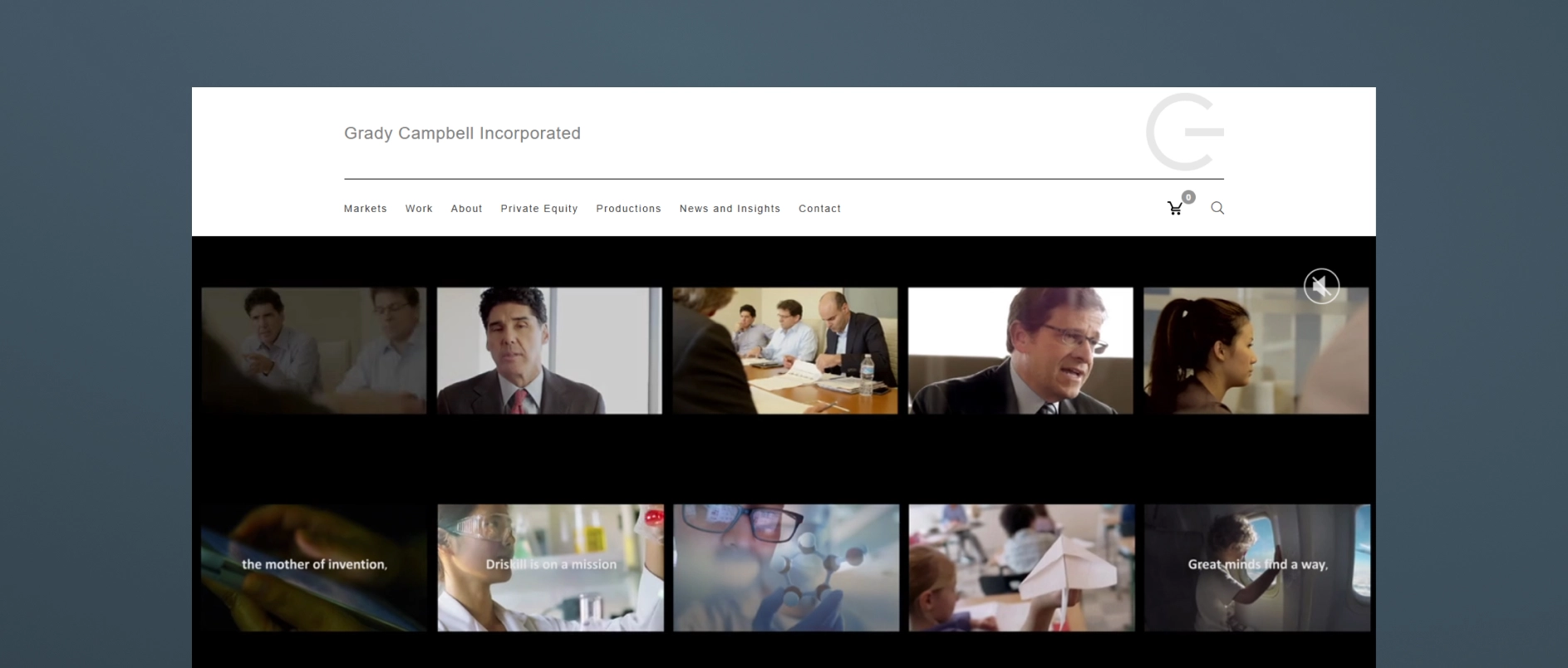
Grady Campbell is a full-service strategic branding and marketing agency with decades of experience, offering integrated brand, marketing, design, digital, content, and public-relations services. While they serve a broad set of verticals — from commercial banking to industrial, consumer, law, and technology — they maintain a dedicated private-equity vertical and specialized offerings for lower- and middle-market PE firms.
Best for Investment managers who need: integrated marketing programs, video and animation production, and public relations strategies.
3. 51 Labs
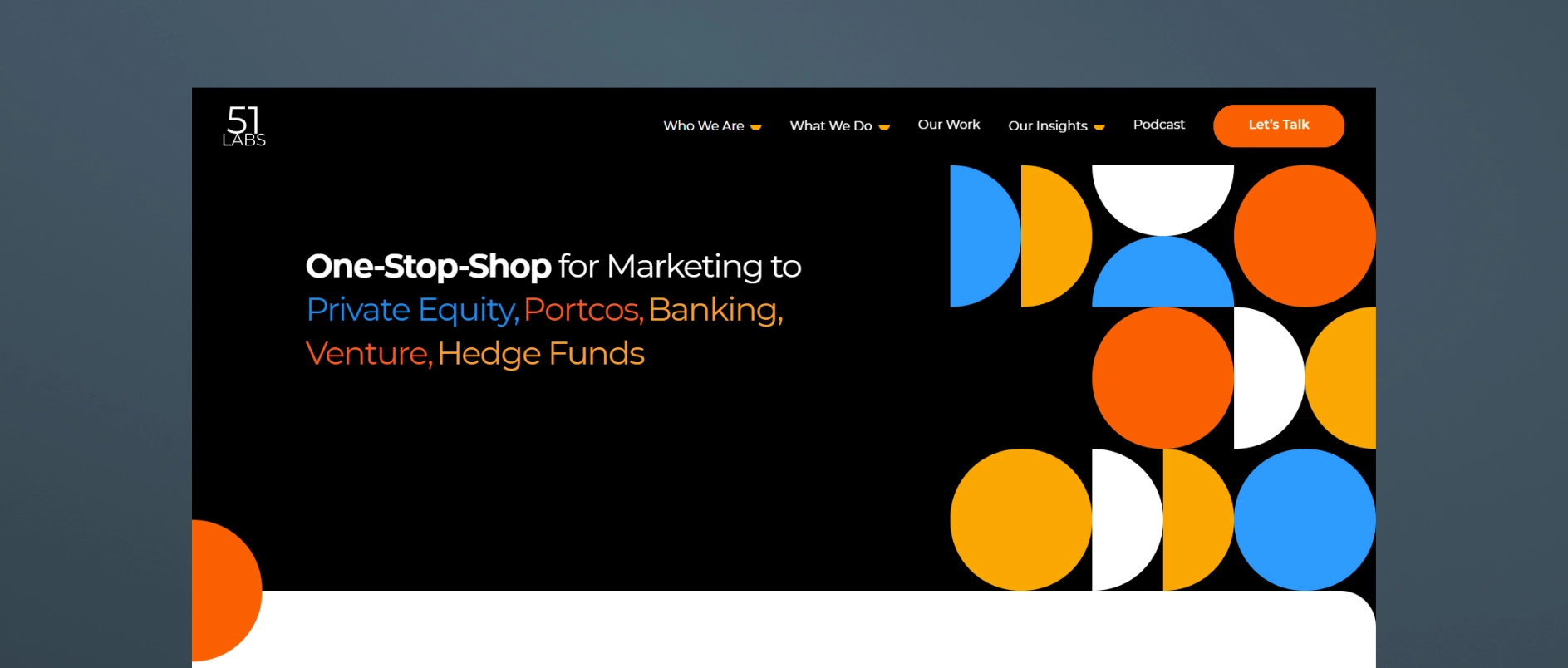
51 Labs is a modern marketing partner focused on private equity, credit, and finance firms. They combine financial-industry fluency with creative execution to deliver branding, websites, video, and content marketing. Their specialty is LinkedIn and video content, making them especially effective for firms seeking consistent visibility, platform + portfolio branding, and active engagement across digital channels.
Best for investment managers who need: a steady stream of LinkedIn content, video assets, and digital storytelling and unified branding across portfolio companies.
4. Bluetext
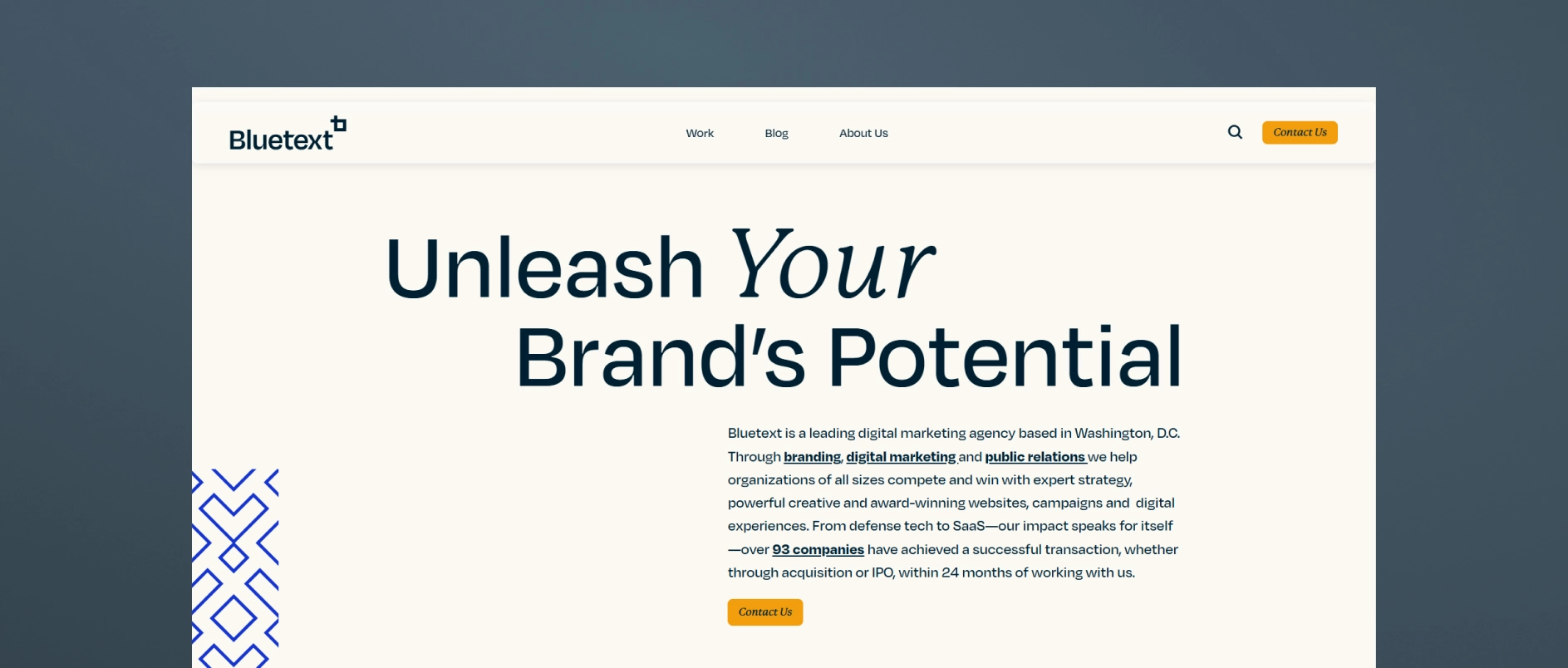
Bluetext is a full-service digital marketing and communications agency based in Washington, D.C., delivering branding, brand-revitalization, website design and development, content and digital marketing, thought-leadership campaigns, SEO, public relations, and demand-generation services.
Best for investment managers who need: pipeline building, deal-flow generation, and ongoing visibility.
5. Bladonmore
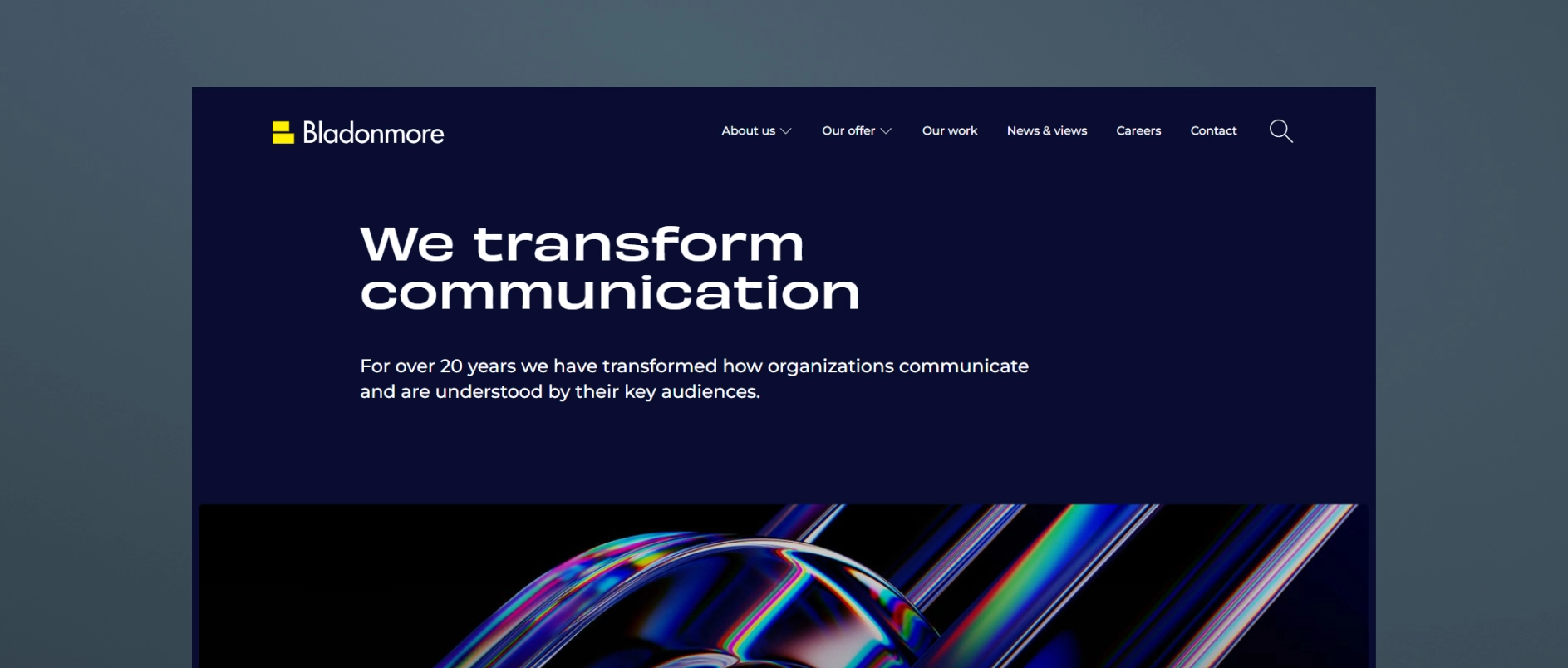
Bladonmore is a global stakeholder-communications agency with 20+ years of experience building brand, investor communications, digital content, film, and sustainability messaging for corporations, investors, family offices, and private-market clients. They combine strategy, creative design, digital execution, editorial, and multimedia to help clients articulate complex business stories.
Best for investment managers who need: institutional-grade investor communications, ESG/sustainability storytelling, global stakeholder messaging, public-market exposure, and reputation management.
6. The Durkan Group
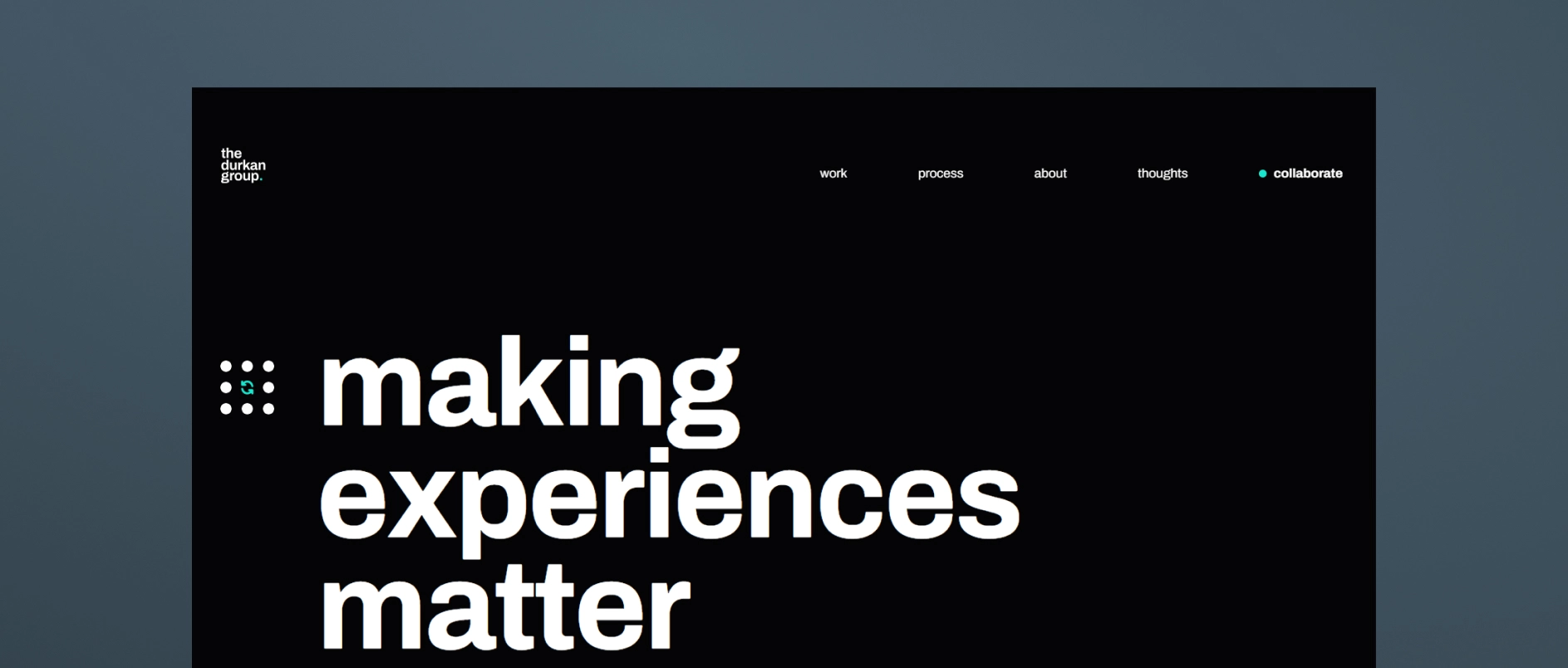
The Durkan Group is a digital-focused design studio specializing in brand identity, UX/UI, and custom website development. They create clean, modern, user-centered digital experiences supported by thoughtful visual systems and structured messaging.
Best for investment managers who need: a prioritized user experience, intuitive navigation, and design-first identity over heavy content-generation or marketing campaigns.
7. FINE
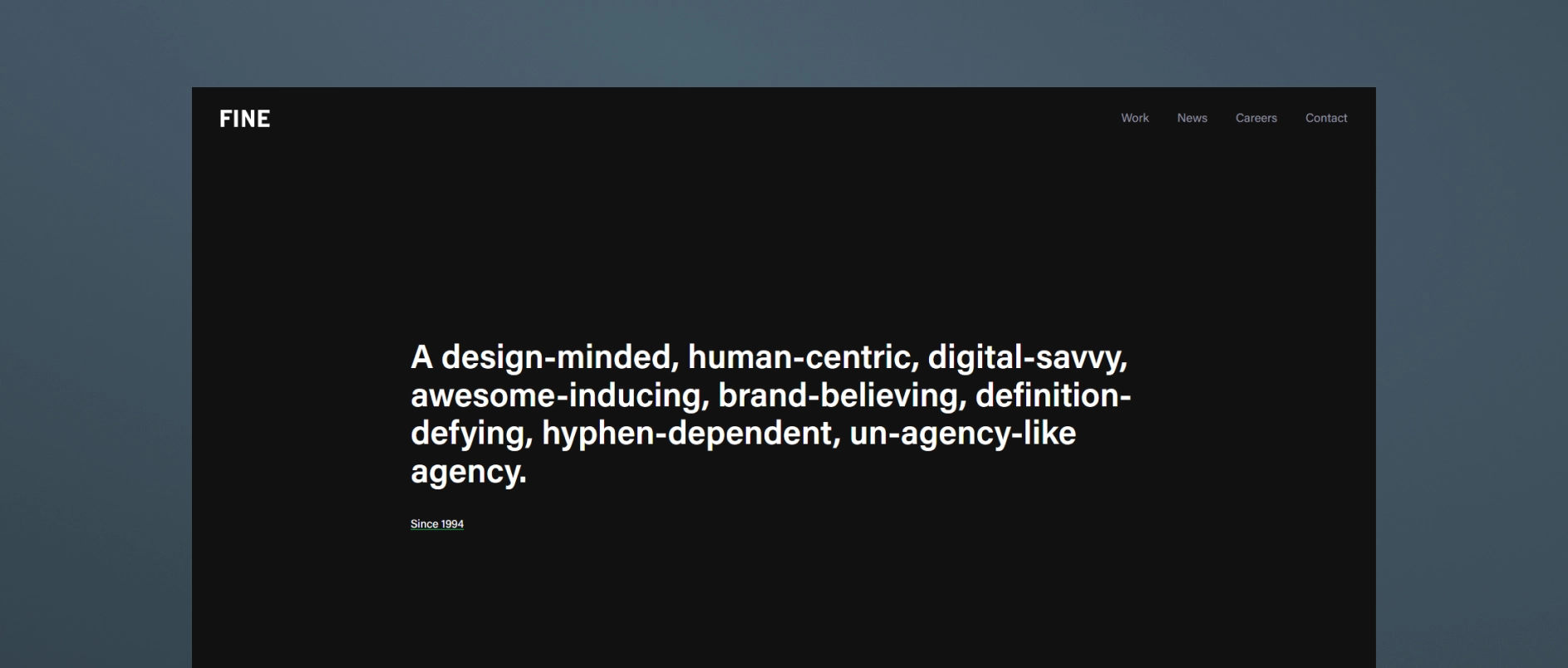
FINE is a high-end creative agency known for big-idea brand thinking, striking visual identity systems, and highly polished, immersive digital experiences. While not exclusive to investment managers, their portfolio spans hospitality, luxury, consumer, and high-growth brands - giving them a reputation for elevated, expressive, and design-rich work that stands out in any industry.
Best for investment managers who need: a bold, premium brand expression; prefer a more conceptual, high-aesthetic creative direction; or seek a visually memorable website and identity system drawn from world-class cross-industry design rather than traditional finance conventions.
8. Monogram Group
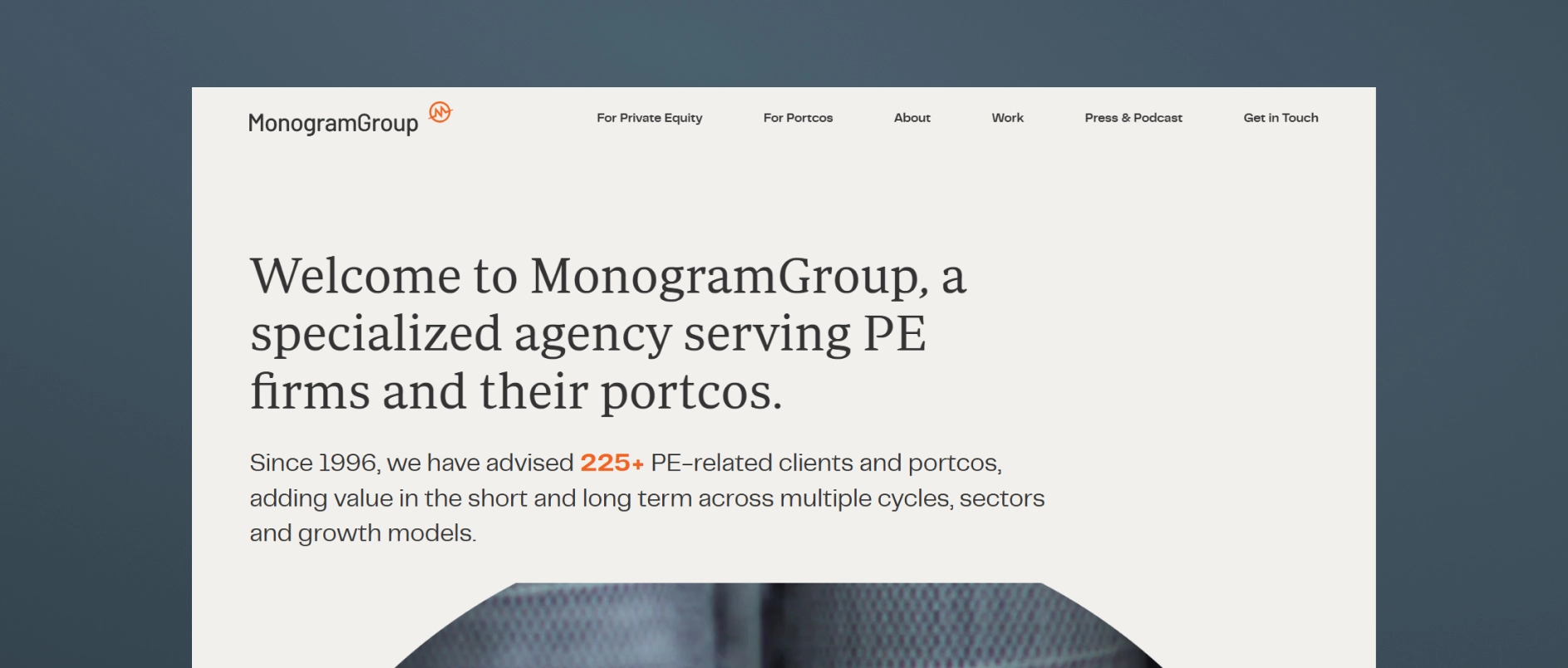
MonogramGroup is a seasoned agency (35+ years) that specializes in private equity and portfolio-company branding. They combine brand strategy, messaging, visual identity, web design, and go-to-market execution to help PE firms and their portcos sharpen positioning, support fundraising and deal sourcing, and scale brand value across the investment lifecycle.
Best for investment managers who need: an agency that can manage the full lifecycle: from pre-deal diligence and brand architecture through post-deal integration, portfolio-company identity, and exit preparation.
9. Consequently Creative
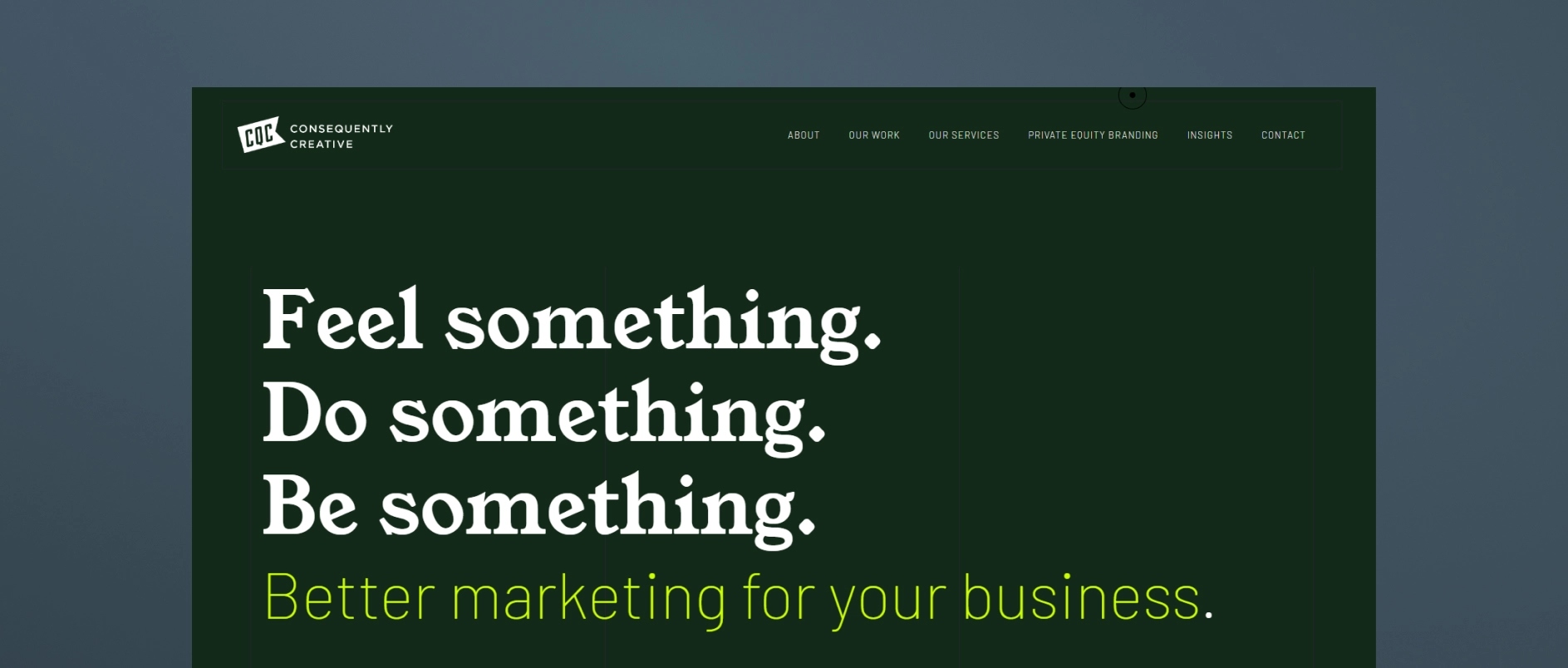
Consequently Creative is a boutique studio that focuses on crafting distinctive brand identities, visual systems, websites, and digital assets. Their work emphasizes storytelling through design, combining identity, layout, UX, photography, and motion to create brands that feel modern, cohesive, and expressive.
Best for investment managers who need: a boutique partner to develop brand and website assets with craftsmanship and attention to detail, or prefer a creative studio that can elevate the look, feel, and digital presence of both the firm and its portfolio companies without requiring full investor-materials support or institutional content strategy.
10. Clever Design
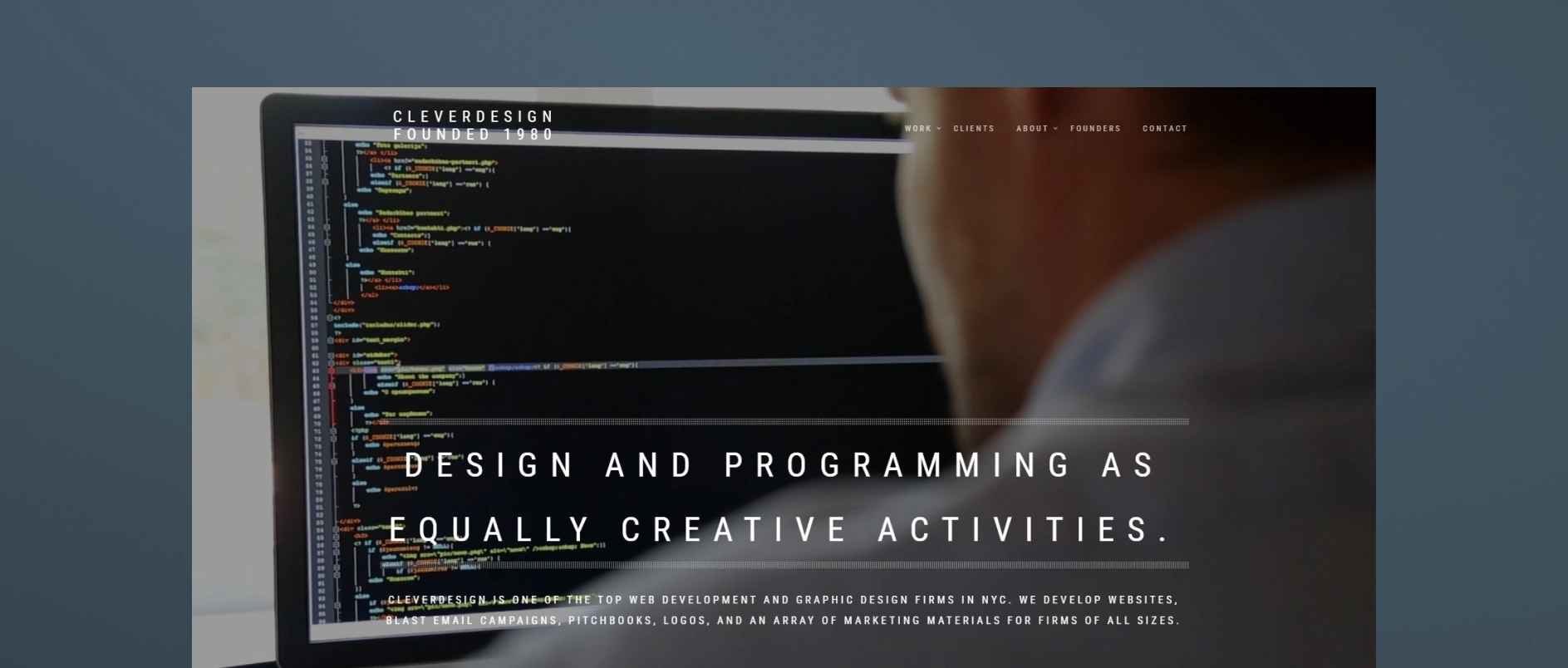
CleverDesign is a New York-based firm with decades of experience in web design, logo creation, and graphic design, and a history of working with private equity, investment banking, hedge funds, and other financial services clients. Their core offerings include websites, brand identity, logo design, pitchbooks / presentations, graphic design, and digital collateral.
Best for investment managers who need: a clean, professional, and finance-sector–tailored website or brand identity rather than full-scale content, marketing, or private-markets narrative support.
